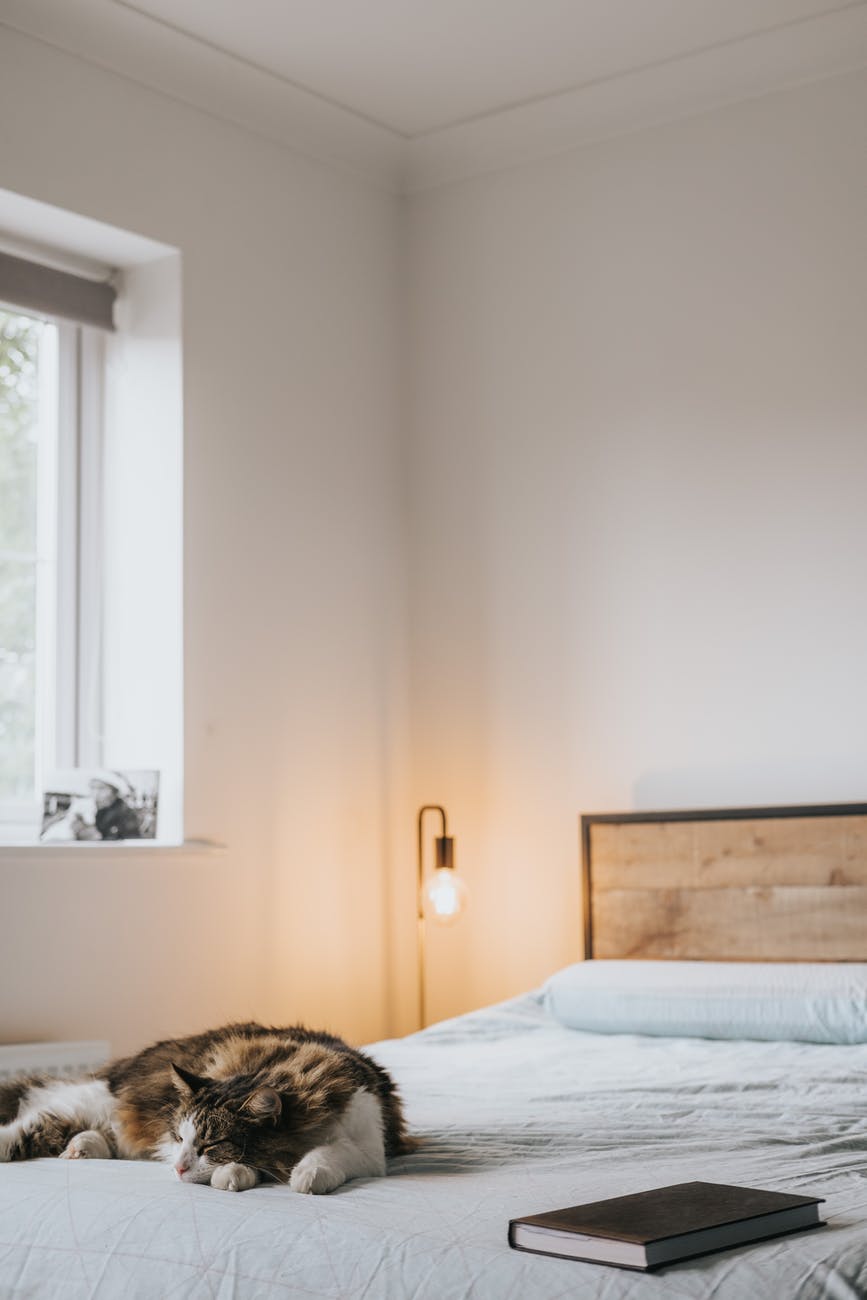

Start by shopping for basic pet supplies and specialized senior pet supplies. Then, prepare a small room with a little food, drink, a litter tray, some toys and a warm bed which is enclosed on three sides (you can use a cardboard box and line it with old clothes or a blanket).
First day in the new home
Once you arrive home, gently open the basket and leave your cat on her own in the small room you prepared in step 2. Leave her on her own for several hours to give her space to adjust to the new environment and get used to the new and strange smells and noises.
Hand feed your cat for the first several weeks
Feeding your cat is one of the best bonding exercises you can do. Your senior feline will learn to trust you and associate you with security. You can also create a special signal that will let her know that food is coming such as tapping her plate, whistling, calling her name or opening a specific cupboard.
Clean her litter tray regularly
Make sure your cat knows where her litter tray is and that it is roomy enough for her to comfortably use with plenty of litter. Remove clumps several times a day and pay attention to whether she likes the specific kind of litter you use.
Give enough time to new introductions
If you have small children in the house or other pets, don’t be too quick to introduce her to them. Give your senior cat time to adjust to her new environment first, and then set aside a time when no one is in a rush to introduce her to other family members. If you own a dog, it might be a good idea to put either the dog or the cat in a cage during the first introduction. That way she will not feel threatened by the dog who could get overly excited to meet her.
Register the cat with a vet in the area.
Unless the shelter warns you otherwise, you can assume that your cat is in good health. However, it is still very important to have a vet who knows your cat that you can talk to whenever you have questions or go to in case of an emergency.
Be patient!
While getting a new pet is exciting, remember that your senior cat may be stressed and need time and space to adjust to her new environment and pet parents. A little bit of patience and love will help both of you through the adjustment period.
Potential cons of adopting an older cat
There are of course a number of problems that you could encounter after adopting an adult cat. However, with a little bit of love and patience they can easily be overcome!
Senior cats have lower energy levels
For natural reasons senior cats are not as energetic as kittens and young cats. If you’re looking for a furry companion to play with or have children who are very energetic, you may find a senior cat unexciting. Instead of running around and chasing imaginary mice, old cats prefer to sleep a lot, thoughtfully look through the windows and relax.
You will have less time with your feline
A senior cat is an old animal, and may have health conditions which manifest themselves at an older age. It’s sad to say, but instead of 15-25 years you will only have 5-10 years with your cat depending on her age when you adopt. Spend a lot of quality time with her and enjoy every moment.
Compiled sources include:
Cats Protection in the U.K.
Please note this was an informational research project to educate a friend & a new parent for proper senior cat care & adoption. I did not write most of this material, only gathered & now sharing it to help other cat parents.
To see the last Series “Rehoming A Cat”, start here.
To read the beginning of this series, “Welcome Home Your New Cat”, click here.
To read the next Article in this series, go here.
Discover more from Impactful Revenue
Subscribe to get the latest posts sent to your email.
 Impactful Revenue