
What You Need To Know:
I decided it was time for me to get a transplant so that I could end dialysis. On the waiting list, one is offered a deceased kidney once they reach the top of the list. If a living donation is preferred, the patient has to find a donor willing to offer their own healthy kidney to them, or on their behalf.
But what should you know if you are even considering donating your kidney?
Well, fear can be quite the show stopper. The best way to overcome fear of the unknown, is to educate yourself on what we DO know.
Know the risks, rates of success, what the process entails pre-transplant, and put together a list of any questions you have for when you are ready to meet with your transplant team.
Pre-Transplant
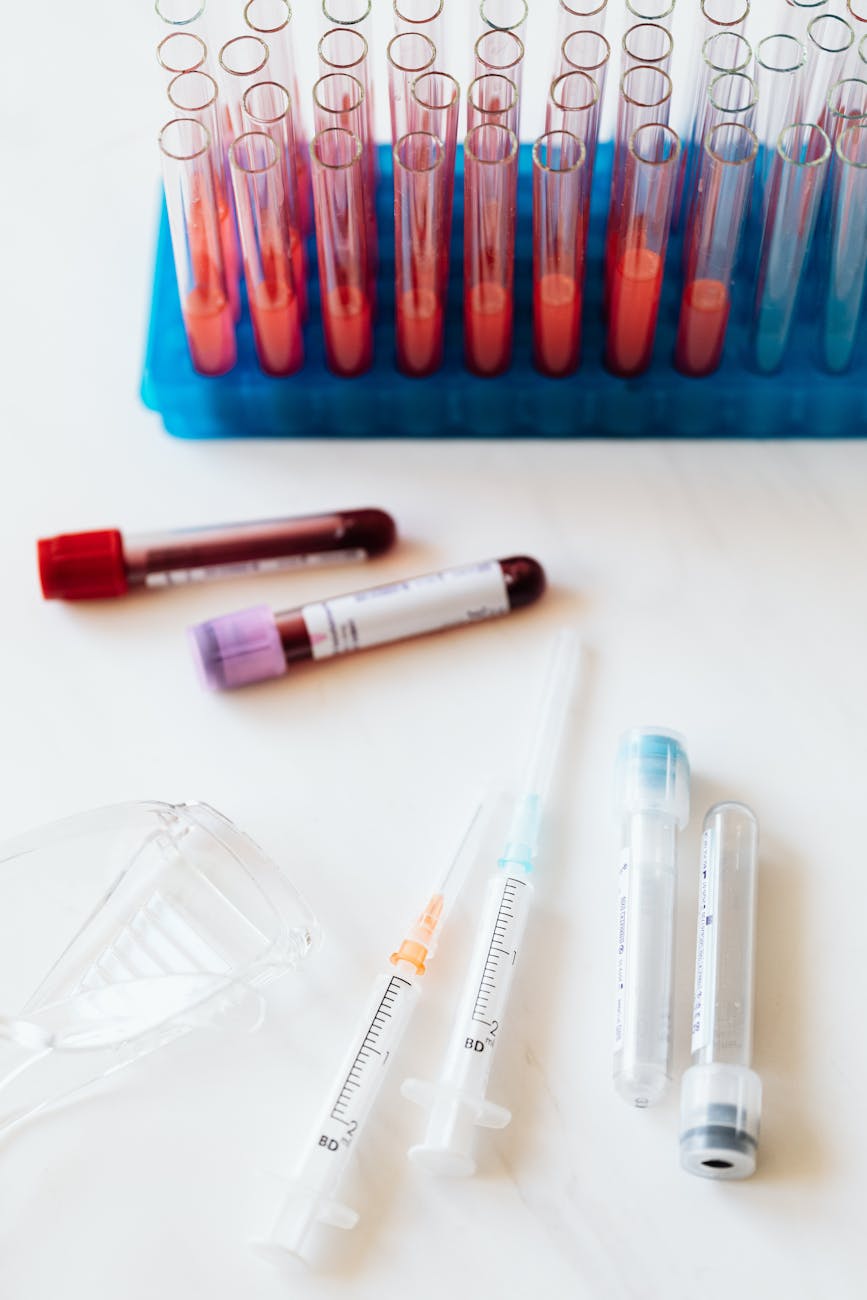
Transplanting live donors is taken very seriously and with utmost care. The screening process ensures your current & future health will not be jeopardized by your donation. It is very thorough.
You will have a medical history screening. Meet the transplant team and have a psychosocial screening. You will be screened to make sure this is your choice, no one is forcing you to do it, and that you are informed of all the procedures & risks that you’ll face. You’re able to change your mind and withdraw at any time, up until you get put under anesthesia. No one will fault, guilt or shame you if you decide to withdraw, and will even protect you.
Your blood will be drawn for blood type matching, tissue type matching, screened for viruses & cancer, tested for metabolic issues, checking blood sugar levels. 24 hour urine collection tests your kidney function. There will be a test to ensure you have healthy lungs, a healthy heart, a PAP smear & pregnancy test for women, an ultrasound to see the kidneys are physically okay (ever heard of congenital defect called “horseshoe kidney“?), even a colonoscopy and any other test your transplant team feels is necessary to determine you are healthy enough to donate.
Live donors get their own separate transplant coordinator, different from the recipient, in order to avoid conflict of interest, and whose main goal is to look out for them and ensure they get the greatest care.
You will also have a thorough discussion with your financial advisor on your transplant team who will guide you through the process and make sure you have what you need available to you.
How Much Will It Cost?

Thankfully the donor will not have to think about costs of the surgery and hospitalization as the recipient’s insurance will be billed for these costs.
When you are ready to donate your kidney, you have to consider the amount of time you need to recover from surgery. You’ll be taking off from work, may need to secure childcare, need to get to and from the hospital, will need a place to stay if you’re not close to home. Though it is illegal in the United States to get paid in exchange for a kidney, sometime there are expenses a recipient can assist with, which can be discussed with your transplant financial advisor.
If there are any additional costs that might prevent a donor from moving forward with their gift of life, there are national organizations (like NLDAC) that can assist with financial support for the procedure and associated costs of transplantation.
Surgery & Post Transplant
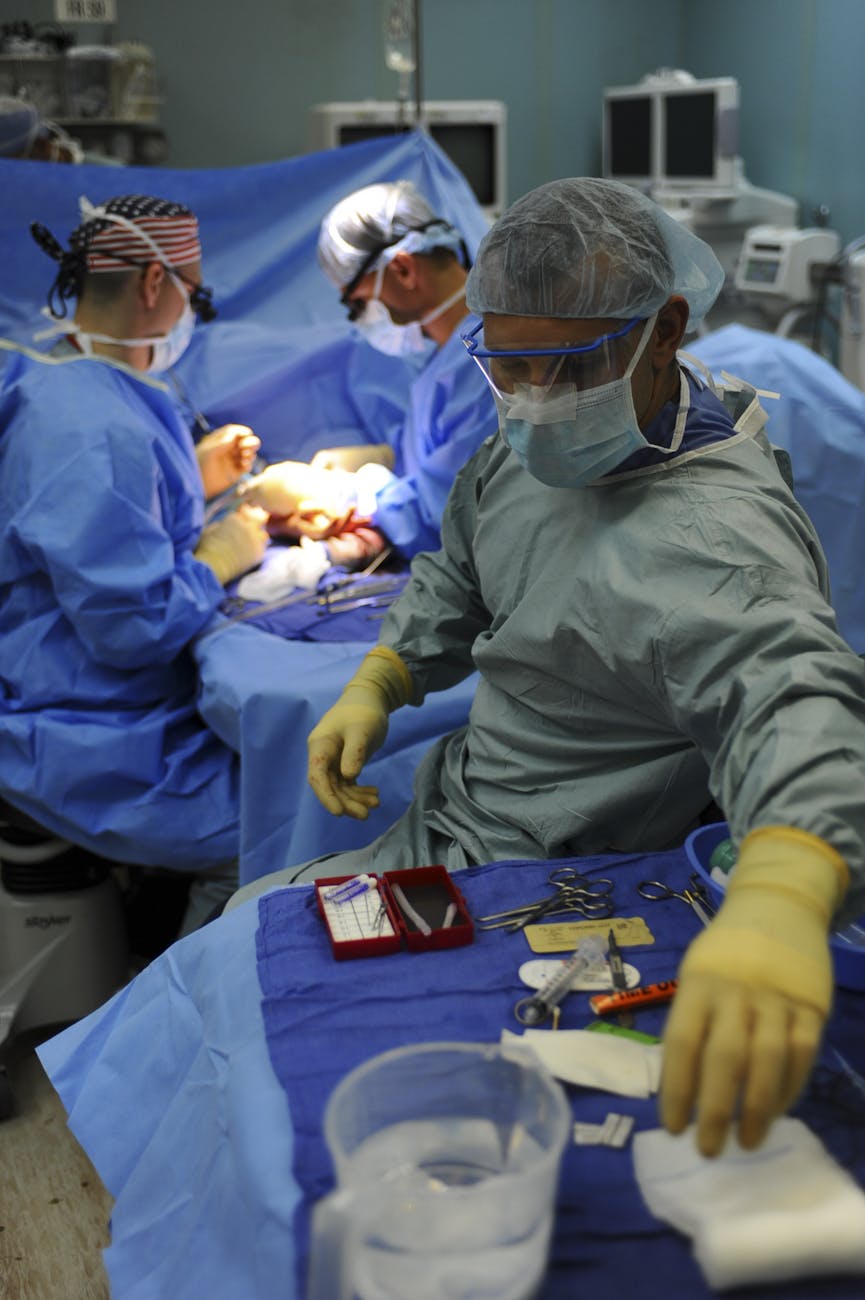
If you worry about how you’ll feel, fret not. The surgeons will use the smallest incision possible. If all goes well, recovery can be just a couple of days in the hospital. Allowing your body to heal can take 2-6 weeks depending on how big your incision is.
For donor Jodee, the experience was as life-changing as it was for the recipient. The donor began pursuing more desires & life experiences afterwards. People with only one kidney can live perfectly healthy & full lives. So for anyone worried about recovering from giving a kidney — if all goes well, you’ll be jumping out of a plane inside a year!
Which isn’t to lull you from understanding that there are potential risks involved. Undergoing anesthesia alone has a 1:10,000 risk of complications or even death. Every surgical procedure runs the risk of complications, or death, as well. But modern medicine has evolved to cast the greatest net of catching as many mistakes, or remedying as many issues as has ever been possible in history.
Is It Worth It?

If you are considering becoming a kidney donor, take some time to read up on the success stories as well. Your actions are what gives us faith as a whole in humanity at its best. You are choosing to step forward and in doing so, saving a life.
“It brings a ray of hope to those in desperate need of a new lease on life. To be a living donor is to be a superhero; someone who puts the needs of others above their own.”
Transplant Surgeon Dr. Ahmad Safar
“They say God gave us two kidneys — one to keep and one to donate to someone in need,” Jack Levine who flew in to surprise his kidney donor said. “There are 100,000 people in this country in need of a kidney.”
“It takes a very special person to make the decision to donate a healthy organ to someone who is a complete stranger. Hayley did this. You are my hero,” Levine said. “You’re the ultimate mensch. You gave me my life back. You saved my family. We are family now. God bless you.”
“Every time a living donor donates a kidney to somebody, someone on the waiting list goes a step up,” Banner Living Donor Program Director Aneesha Shetty said. “Someone on the waiting list gets one step closer to getting their donor kidney so, I would say four people’s lives were improved not just two by your donations. Just remember that.”
“It’s not just helping one person. You donate a kidney to one person but that impacts far more people than just that one person: their family, their friends, the ripple effect through the community,” said Dr. Piper.
Maybe someone looking for a transplant does happen to meet someone that says “you can have one of my kidneys”, but donating is harder than it seems. The odds of a total stranger being a perfect match for a specific kidney patient are approximately one in 100,000.
That’s why some transplant centers have programs that allow you to donate on someone’s behalf (A) to a complete stranger (B) that you match, and start a donation chain that allows a recipient (A) to get a donor kidney from a complete stranger (C) in exchange.
Tania Grgurich, a diagnostic imaging professor at Quinnipiac University, spotted a Facebook post from one of her students that started such a donation chain. Grgurich’s selfless act eventually helped save the lives of her student and two strangers. The professor’s kindness and generosity also restored [her recipient] Markham’s hope after a long and arduous journey.
“I think with everything going on in the world at that point, I truly believed that nobody was going to be that kind and genuine and altruistic to give me a kidney,” Markham said. “I couldn’t imagine that kindness existing in the world.”
The difficult experience has opened her eyes to the abundance of love and kindness that still exists in society.
“I think sometimes it’s so easy to feel like the world is crumbling around you, whether it’s something happening personally to you or things you hear going on in the world,” Markham said. “There is a lot of hope in the world, and I think people need to hear that.”
“You try to be a good person, do good deeds. To me, this felt like the best thing I could do, the best gift I could give to somebody else.” law school student Rowan Bienes-Allen donor
I hope this helps you as you considering giving the gift of life to another by sharing a piece of yourself with them and creating a bond like no other.
To determine if you are medically able to donate, click the button below.
How Else Can I Help?
If you are unable to donate your kidney for any reason, there are still plenty of ways to support those in need.

Support others who walk on this kidney journey. Sign up for your local Kidney Walk. (Registration might begin around April 1st). You don’t have to be a donor or recipient to enjoy the walk! And you’ll definitely find plenty of friendly faces who would love to share their knowledge and stories with you about the transplant experiences during the family-friendly fun events of the day.
Host fundraisers to either support organizations working for kidney health, kidney transplants, or individuals in need. Transplant medications are nearly $2000 per month and are medically necessary for the life of the kidney. Even the deepest pockets could use a little help from their friends. And those with transplants also have to have regular blood work, radiology screenings, wellness exams, and may require extra hospitalizations due to lowered immunity.
Leave a legacy and sign up to become a donor to someday help others even after your life has come to end. Every time you go to the DMV there’s an opportunity to become an organ donor. Or you can sign up online and make a difference saving up to 8 people’s lives with organ and/or tissue donation.
Be a friend and check in on your transplant buddies once they’ve healed up. Sometimes life is hard, but transplant situations can throw more curve balls than expected. Check in on your loved ones and plan get togethers or fun adventures to celebrate & enjoy life together.
By sharing posts and pictures on social media you can help spread the word for others who need a life-saving organ – whether you know someone in need or not.
If you’d like to help me, sharing my page would be much appreciated.
If you would like to get screened to see if you are eligible to donate click here
Discover more from Impactful Revenue
Subscribe to get the latest posts sent to your email.
 Impactful Revenue
3 thoughts on “Are You Considering Kidney Donation?”