When all is well and the body is healthy and strong, often we forget all about it. It’s often not until it’s gone that we realize what we had and wish to get it back.
So let’s take a moment now to be grateful for what we do have. Thank you, Body.
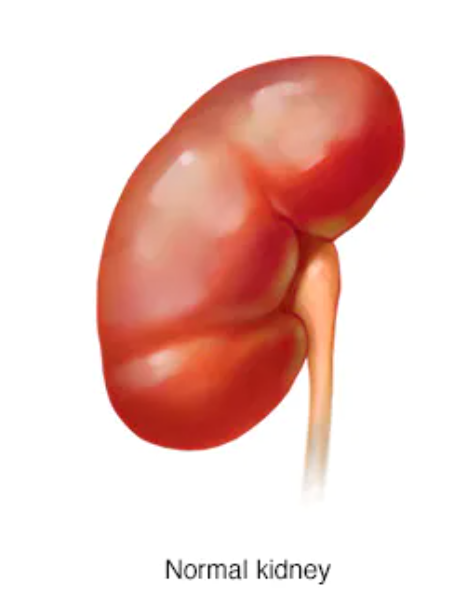
You know, it’s funny, but now that my kidneys jeopardized, I’ve learned how they truly are an unsung hero in our lives. Whenever I tell people my kidneys failed & I’m on life support, a quizzical face comes forward (after sympathy) – “what do the kidneys do (other than make urine) ?”
So let me explain a little for you. Your body is a miracle. A well-oiled and precise machine with enough simultaneous inner-workings to boggle the mind. Most systems run automatically & unconsciously but still require energy to function.
Waste Removal
We require air, water and food to fuel our systems. As these elements are processed, waste products are created by the cells themselves, and by the body as a whole.
Wastes must be removed before they build up. This can be through the bowels or sweating through the skin. But the kidneys filter your blood all throughout the day of toxins, too, and push unneeded fluids laden with these waste products, into the bladder to be excreted from the body. By-products including urea & nitrogen from protein breakdown can pollute the body if not removed.
Electrolyte Balance
The kidneys likewise keep electrolytes & salts in balance. Potassium, sodium, chloride, all of which must maintain a delicate balance within a small range without going either too low or too high.
Overloaded potassium can cause the heart damage and make other muscles weak. Low levels of sodium can lead to medical crises swiftly, causing seizures or even coma.
Bone Strength
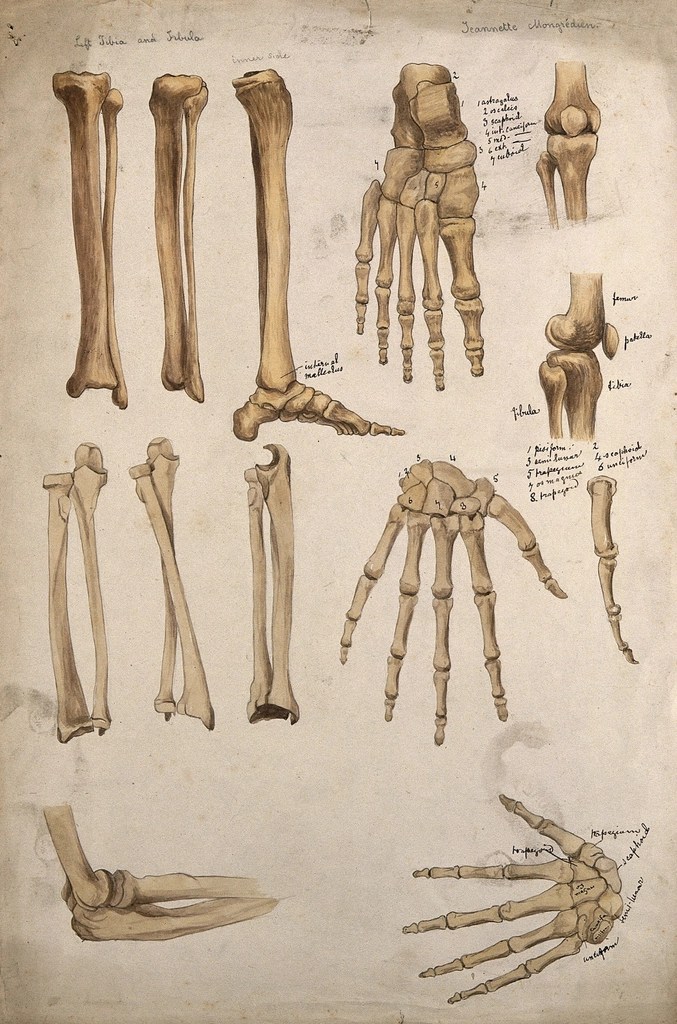
Vitamin D has to be monitored along with phosphorous. Too much phosphorous can leach calcium from the bones causing osteoporosis and calcium deposits that can lead to heart conditions. Vitamin D is processed by the kidneys, so more is needed and preferably D3 that is already activated for the body instead of forcing the weakened kidneys to convert it. All of these substances work together with the parathyroid (PTH) glands to keep this system in balance. If there is too much phosphorous, the PTH soars pulling calcium from your bones.
Blood Cell Creation
The kidneys create a hormone EPO – erythopoietin that stimulates red blood cell production in the bone marrow. When they shut down, the body suffers from anemia that can require blood transfusions if the hemoglobin & hematocrit are too low.
Fluid Regulation
Another hormone in relationship to the kidneys is aldosterone which controls fluid levels and thereby blood pressure. Working harmonically with kidneys, liver, lungs, in a chain reaction to do so, but it also affects electrolyte levels and acid-base balance.
Protect Your Kidneys… Or Else…
So…why should you protect your kidneys?
This is what it’s like living with kidney failure:
I have to manage balancing all these things on a daily basis that the kidneys do on their own 24/7 without any conscious help.

Labs
I read my labs monthly to check my red blood cell count and take EPO every treatment to prevent needing blood transfusions monthly.
Daily Monitoring & Pills
At one point my blood pressure was so high I had to take 10 pills a day just to get it to 130/80 (which is a higher reading and doctors ideally want numbers below this for good health). Lately though it’s been very good most of the day on 3 pills.
I take a pill to lower my PTH, a pill to keep my Vitamin D high enough to prevent my calcium from going too low.
Strenuous Diet
I have to STRICTLY watch my diet to abstain from excess phosphorous which will pull Ca from my bones. Phosphorous is found in meat, dairy, grains, beans, legumes, nuts, seeds, including chocolate & peanut butter – which use to be my favorite combination.
Dialysis
I take dialysis every other day, 4.33 hours each treatment to ensure I pull off fluids and filter out my blood of toxins & electrolytes, using a pre-made solution that balances the salts.
The only way into the blood stream is with two 1″ needles, unless a 4″ chest catheter is placed running down the neck into the heart (which is dangerous because any germ entering the catheter has direct access to the heart – normally protected by skin, tissue & chest). 1″ needles are too big for a body’s veins and arteries so an access has to be surgically created via a fistula or a graft. A graft involves inserting a “pipe” inside the body to connect a vein & artery. A fistula fuses an artery & vein to create a super highway to achieve required blood flow. I had a chest catheter until I got a wrist fistula.
Generally, I don’t feel any pain from the blood flow or removal. Pain is usually lite from needle insertion – a pinch. Unless the site is brand new. Or a nerve is hit. Then the needle sits on a nerve for 4.33 hours and it helps to be still, if removal & reinsertion aren’t favorable.
Alternatively, dialysis can be done in the peritoneal lining of the belly to filter out toxins. Treatments are more often, daily, and require a catheter tube around the belly. Treatments can be uncomfortable walking around with the fluid inside.
Restricted Fluid Consumption
Overall, the hardest daily requirement for kidney failure is managing the diet. Monitoring fluid intake to ensure edema, or fluid overload, is kept at bay. This means I drink about 32 oz or less per day.
The second half is watching everything that goes in my mouth.
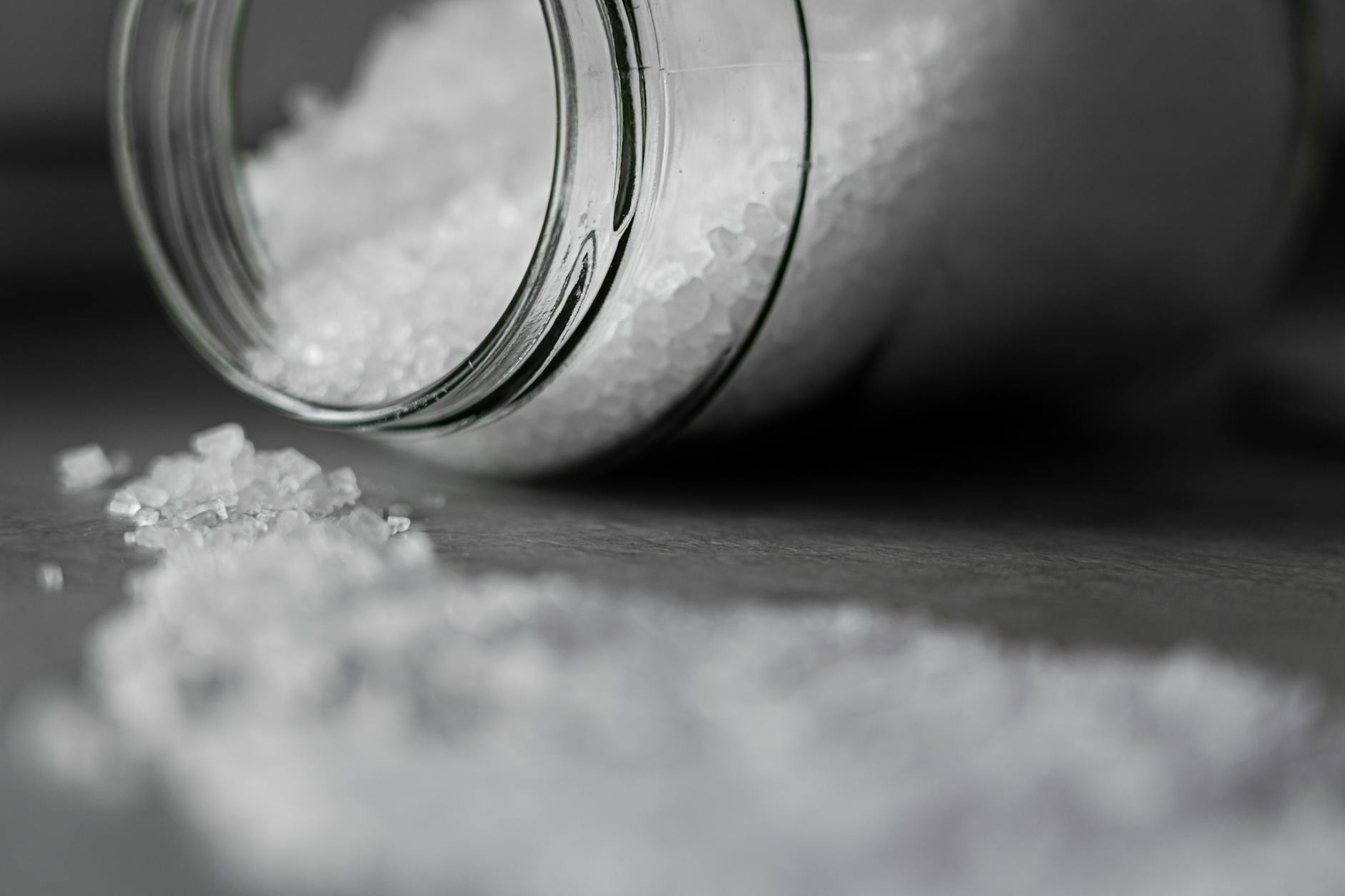
Salt (& sugar) makes me thirsty, and raises blood pressure, so mind the salt intake.
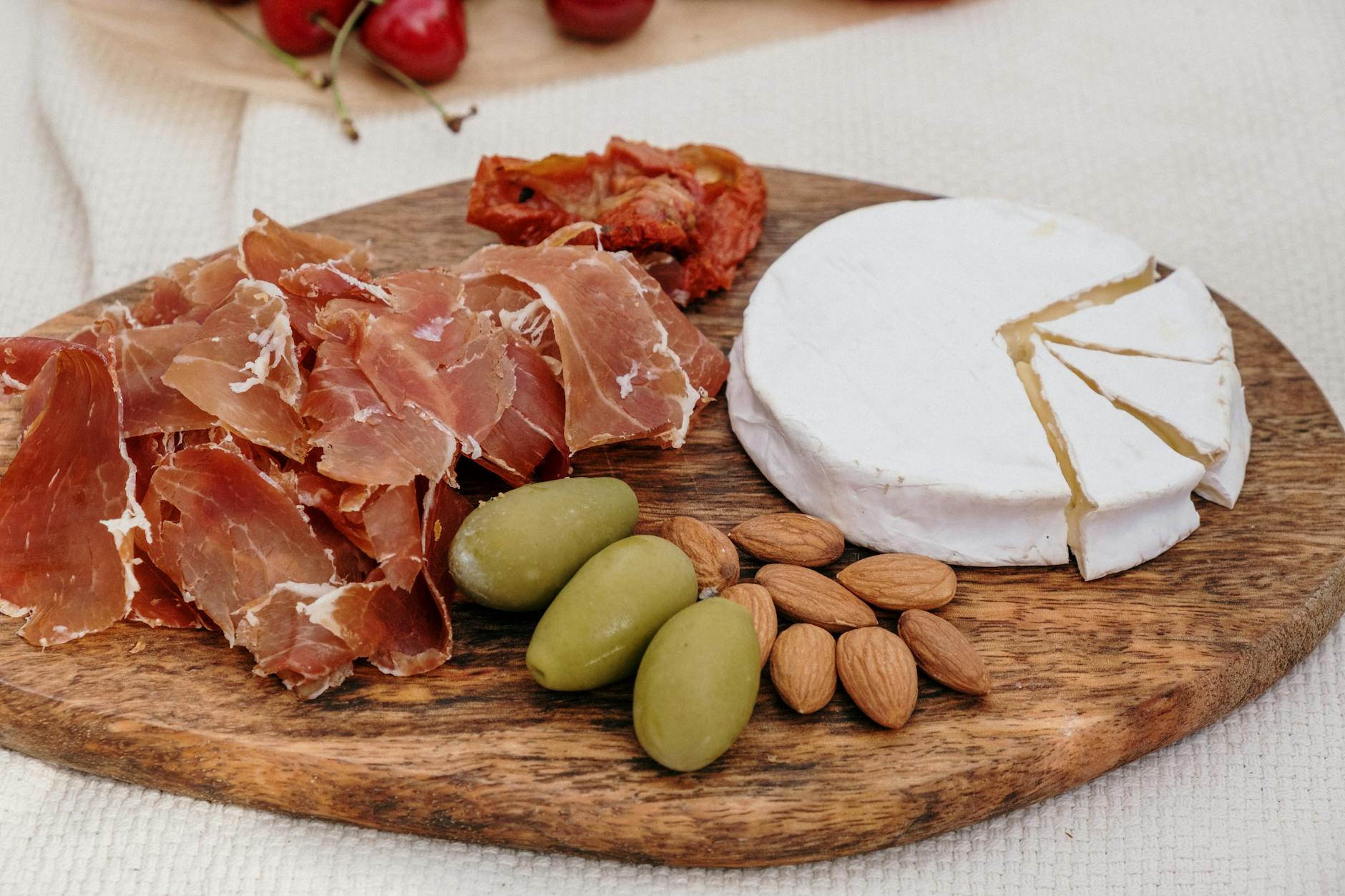
Manage Protein
Meat & dairy cause high acid & BUN or blood urea nitrogen, which needs to be kept low. So I mostly follow a vegan diet to accomplish this. I also have to eat enough protein which is pulled off by dialysis, but not too much. Ketoanalogues can help here using the smallest form of amino acids, without causing more nitrogen buildup.
Managing Potassium as a Vegan
But as a whole food vegan, the MOST hardest part of kidney failure is managing my potassium.
Potassium is found in everything except oil and water. And I really shouldn’t be eating oil or drinking too much water. So if I’m hungry, I got to eat potassium.
And if I want to get full, I got to eat more of extremely low potassium foods like iceberg lettuce, cucumbers onions, & garlic.
Do you know that potassium is partially what makes food taste delicious? I mean I haven’t read a scientific study about it, but I’m fairly certain that’s true. Because the best healthy foods are loaded with potassium.
Tomatoes, chocolate, bananas, oranges, melons, pumpkin, nuts (peanut butter), beans (hummus), lentils, almost all mushrooms, and avocado are all powerhouse foods for potassium.
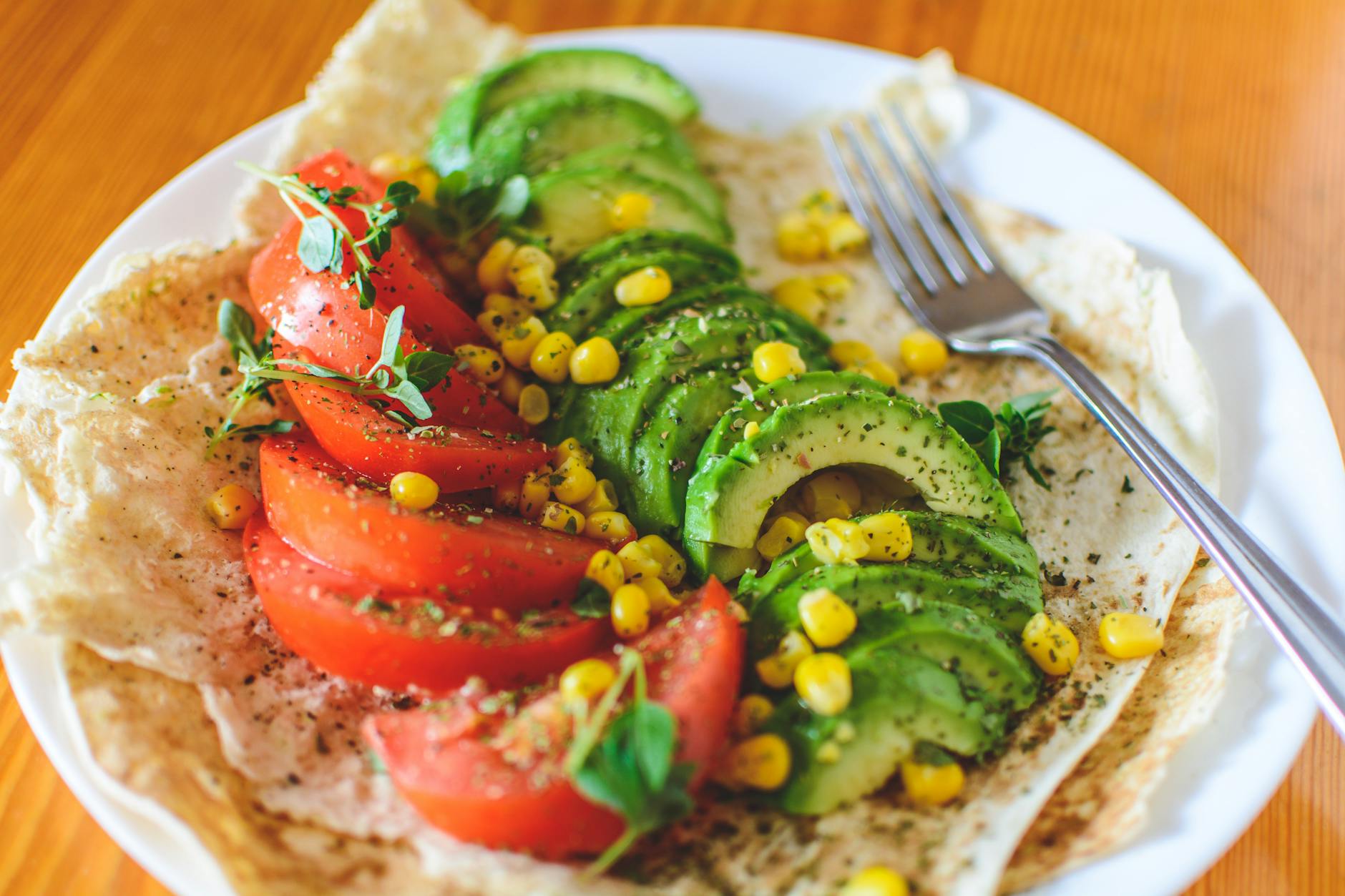
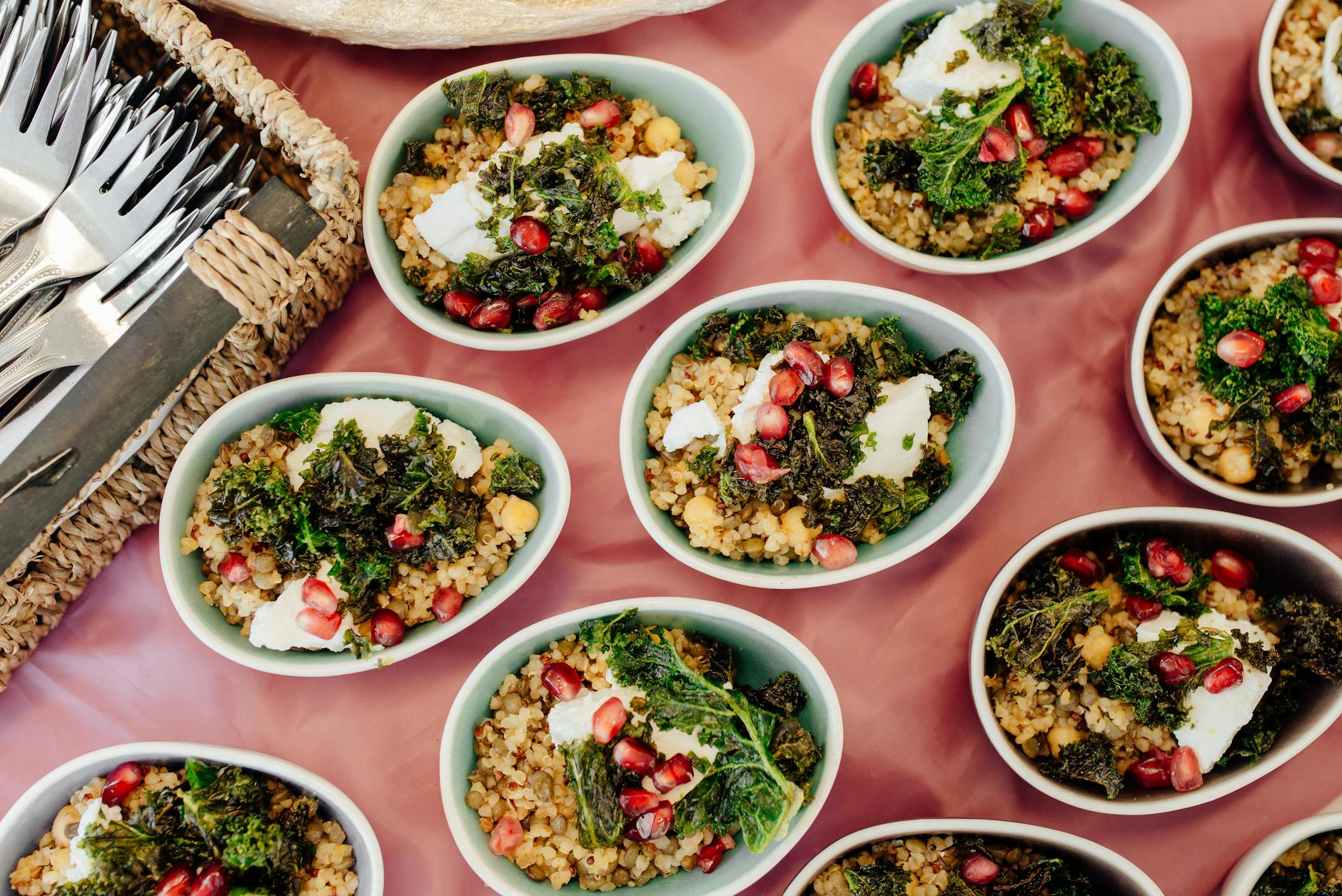
Photo by BULBFISH on Pexels.com
So is seaweed, swiss chard, spinach, kale, and spirulina.
Also, any food in large amounts comes with a huge potassium payload, except white rice, wheat, and cranberries.
This leaves me seriously disadvantaged. Regularly a whole food, vegan would use mushrooms or legumes to replace meat, or just fill up on a plate piled high with veggies. I have to watch every morsel and be constantly conscientious.
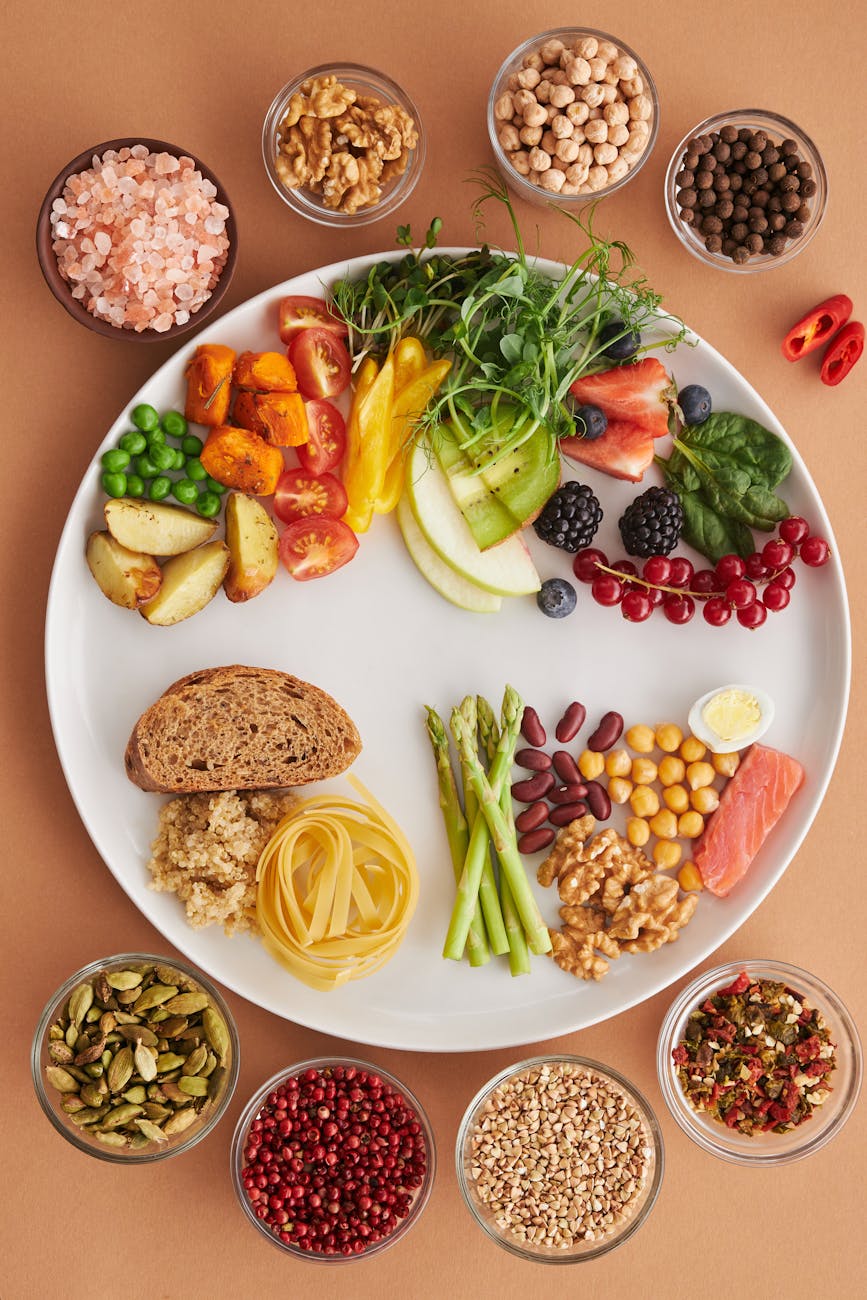
So in case you were wondering what it’s like to live with kidney failure – it’s hard!
There’s Good News
But the good news is most people live just fine without having to find out the hardship of living this way and don’t have to do much to protect their kidneys.
If you’re one of them, give thanks to your body once again. Thank you, Body!
Two Thirds of Kidney Patients Can Prevent Kidney Failure
Although some people find themselves in a situation that is completely unpreventable or that damages the kidneys quickly in an instant (think motor vehicle accident), over days, or months (acute attacks, like lupus did to me); two thirds of people with kidney failure occur from kidney disease that is either manageable or preventable. Kidney disease caused by diabetes or high blood pressure that causes damage over the years or decades.
These people can find ways to manage their disease and never have to succumb to this nightmare.
Yet there are over 80,000 people waiting on a kidney transplant every year because they don’t know their disease is preventable. And of those, only around 20,000 actually receive a kidney.
Transplant eligibility occurs when a person’s kidney function drops below 20% and less than 15% function requires dialysis.
So Take Care of Your Kidneys
Although kidney failure is the end stage of kidney disease, over 37 million people have chronic kidney disease (CKD) in the United States alone. The scary thing is 9 out of 10 people that have it, aren’t even aware because CKD doesn’t really have symptoms and can only be diagnosed by watching blood draws or urine 24-hour collection labs.
Therefore it is essential to get regular annual health check ups to monitor your baseline and catch any alarming changes you may not necessarily feel.
In any case, those on the transplant list, will wait for a deceased donor unless a living donor comes forward for them. In spite of how much the body shuts down when kidneys fail to function, a healthy person can donate one of their kidneys to a patient in need and still retain enough healthy kidney function to absolutely thrive.

To learn more about donating a kidney, and helping someone in need get their life back, check out this page.
And remember your kidneys do so much:
- Remove wastes
- Balance electrolytes & acid-base levels
- Make blood cells
- Keep bones healthy
- Regulate fluids & blood pressure
In a future post I’ll write about how to protect your kidneys, now that you know why it’s so important to protect them.
Discover more from Impactful Revenue
Subscribe to get the latest posts sent to your email.
 Impactful Revenue