
It’s winter and ’tis the season.
Not just the holidays, which we celebrate by gathering in groups rejoicing with food, fun, laughter, traditions, making memories, and cozying up together on these chilly nights.
But also, in close quarters, passing sicknesses between each other from sneezing, coughing, or even quietly carrying from our other lives.
It’s not an article I really wish to write about. I don’t want you to stay away from your loved ones. Those who come home to us via traveling on a plane trapped with other passengers in a closed-circulation vehicle that spreads germs even more easily.
Friends who stop at stores, touching items in aisles handled by many other hands, paying at the cashier’s desk, pressing public machine buttons or holding open doors.
There’s every opportunity to come into contact with different species of -ick! Especially around the adventuresome littles who like to touch everything (including you!) with icky hands.
Instead, I’d rather say be aware, take precautions within reason, and take care of yourself to the best of your ability.
So let me tell you how best to prevent & recover from the -ick.
Prevention
You know what you should do. Nothing I’m saying is new, probably just a reminder.

Wash your hands when entering a new environment. I prefer hand washing over sanitizing. Stuff often has “stuff” in it (if you know what I mean…the stuff you can’t pronounce that’s often manmade in a lab) I don’t always trust.
Wash hands 30 secs (sing “Happy Birthday” Song) with warm water. Bar soap is preferred because it’s constantly lathering while you get in every nook and cranny.
To properly use liquid soap, put it in one palm and get your other hand nicely wet to help spread the liquid soap all around your hand before rinsing any off.
Avoid touching your face except with freshly cleaned hands.
Stay away from sick people or people who have recently been sick. Be mindful or people who have recently traveled within the last 10 days.
Get enough sleep. 6-8 hours is recommended.
Practice good self care.

Reduce stress as much as possible. Make room for pauses & rest. Overworking exhausts your system making you sick.
Get a little sunshine and steep in nature when you can. Try to stay outside a minimum of 15 minutes.
Exercise. At least 20-30 minutes per day.
Eat a wide variety of healthy, nutritious whole foods. Vegetables, fruits, legumes, grains, nuts, & seeds.
Make love with partners. Share hugs with loved ones.
Have fun, laugh, find joy.
Recover
Plenty of clear fluids. As much pure, plain water as you can muster without overkill – aim for 80-128oz, depending on how much you regularly drink daily [at least 6 cups!]. Clear broths, non-caffeinated herbal teas.

Vitamin C. 1/2 cup or the whole fruit of: broccoli 🥦 Brussels sprouts, orange juice, Orange 🍊 Strawberry 🍓 Kiwi 🥝 Bell pepper 🫑 , white potatoes, any cruciferous vegetables, papaya, guava, cantaloupe, tomato.
Echinacea with Goldenseal. 900mg per day until better.
Zinc. Sesame seeds.
Make “Kick the -Ick” soup: Roast: whole onion for 1 hour & whole garlic for 45 mins. Cool. Peel. Blend for some creaminess, (as chopping is an extra step that isn’t worth the effort & creates a slippery mess – ask me how I know). Make a pot of soup: Fill it up with celery, carrot, cruciferous veggies & dark leafy greens. Add the roasted bulbs. Add herbs such as parsley, basil, oregano, thyme, rosemary. If fresh, add to bowl or at end of cooking. If dried, add with veggies. Add broth & season to taste. I like to blend a portion of the entire soup for some added smoothness.
Cruciferous vegetables include: Brussels sprouts, cabbages, collard greens, radishes, Swiss chard, mustard greens, turnip roots & greens, kale, arugula, rutabagas, bok choy, cauliflower, broccoli and broccoli rabe, and more. Aim for 8oz per day, but eat as much as you can without hurting a sensitive tummy & ending up uncomfortable. Start with 1oz, and add 1oz to tolerance.

For congestion: Rub coconut oil mixed with mint essential oil onto your chest & head points.
Drink pineapple juice to reduce mucus & cough. Humidifier can help a dry cough. Steam inhalation for 10-15 minutes per session, 2-3 sessions per day.
Use a nettle pot or saline nasal spray.
Spicy foods can get you dripping & sweating to expedite the expelling process.
There’s another trick for congestion that’s like acupressure. I’ll have to post a video later.
If you’re not vegan: Honey, preferably raw. Royal jelly. Bee pollen. Of course, not if you are allergic.
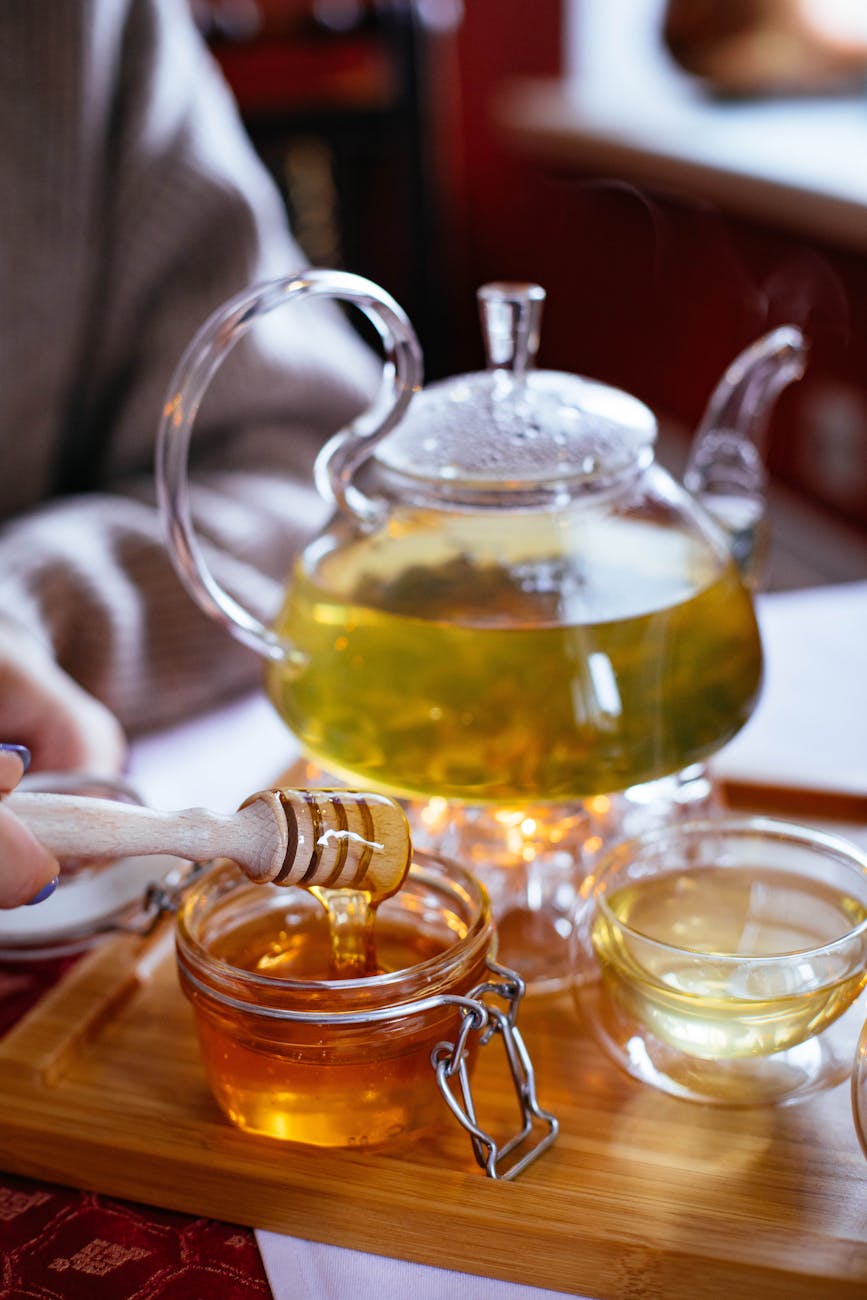
Bone broth. Preferably organic beef. Chicken bones with plenty of cartilage (feet) is great too.
For Both Prevention & Recovery
Actually you could probably use all of these tips all of the time whether you are sick, preventing sickness or recovering from sickness. Here are some additional suggestions.
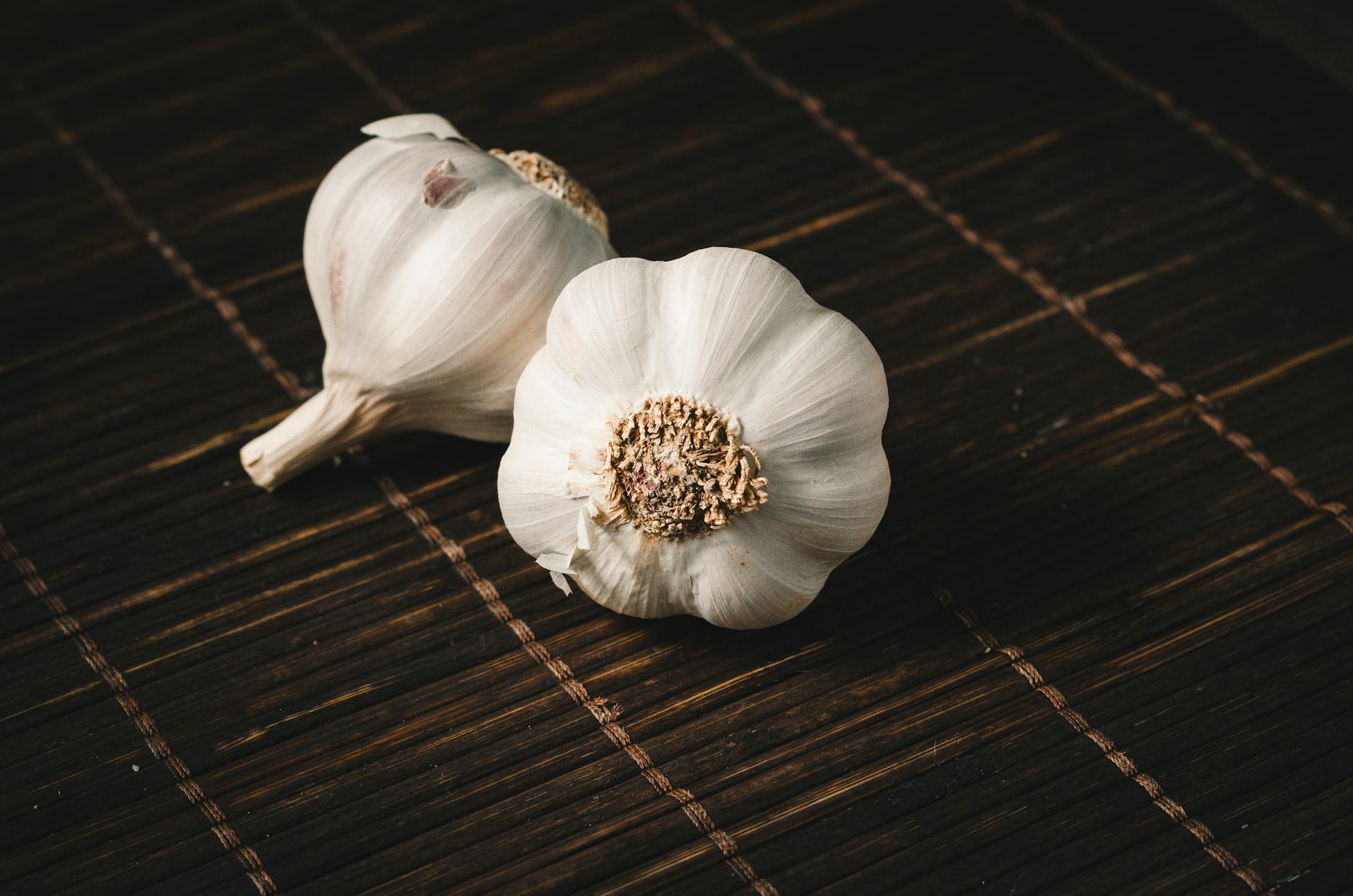
Garlic, alliums, and bulbs are great to consume. If you can stomach it raw, even better. If not, cooked works just as well. Caramelizing brings out the sugars and make the taste even better. Roasting is the quickest way to bring out the sugars hands off while you do other things.
Garlic is not only good for battling sickness passed along during colder seasons, but also helps with lowering blood pressure, reducing platelet aggravation to prevent stroke, reduce blood sugar levels. As well as anti-microbial, anti-oxidant, anti-inflammatory, and anti-cancer.
Garlic has a few down sides. Bad breath? Chase with some fresh leafy herbs like parsley. Gastrointestinal issues like bloating or abdominal pain? Avoid raw, eat with food, limit to 1-2 cloves per day, or avoid – if too sensitive. Also, don’t eat if you’re allergic. Your doctor should let you know if you need to avoid it for medication or disease related reasons.
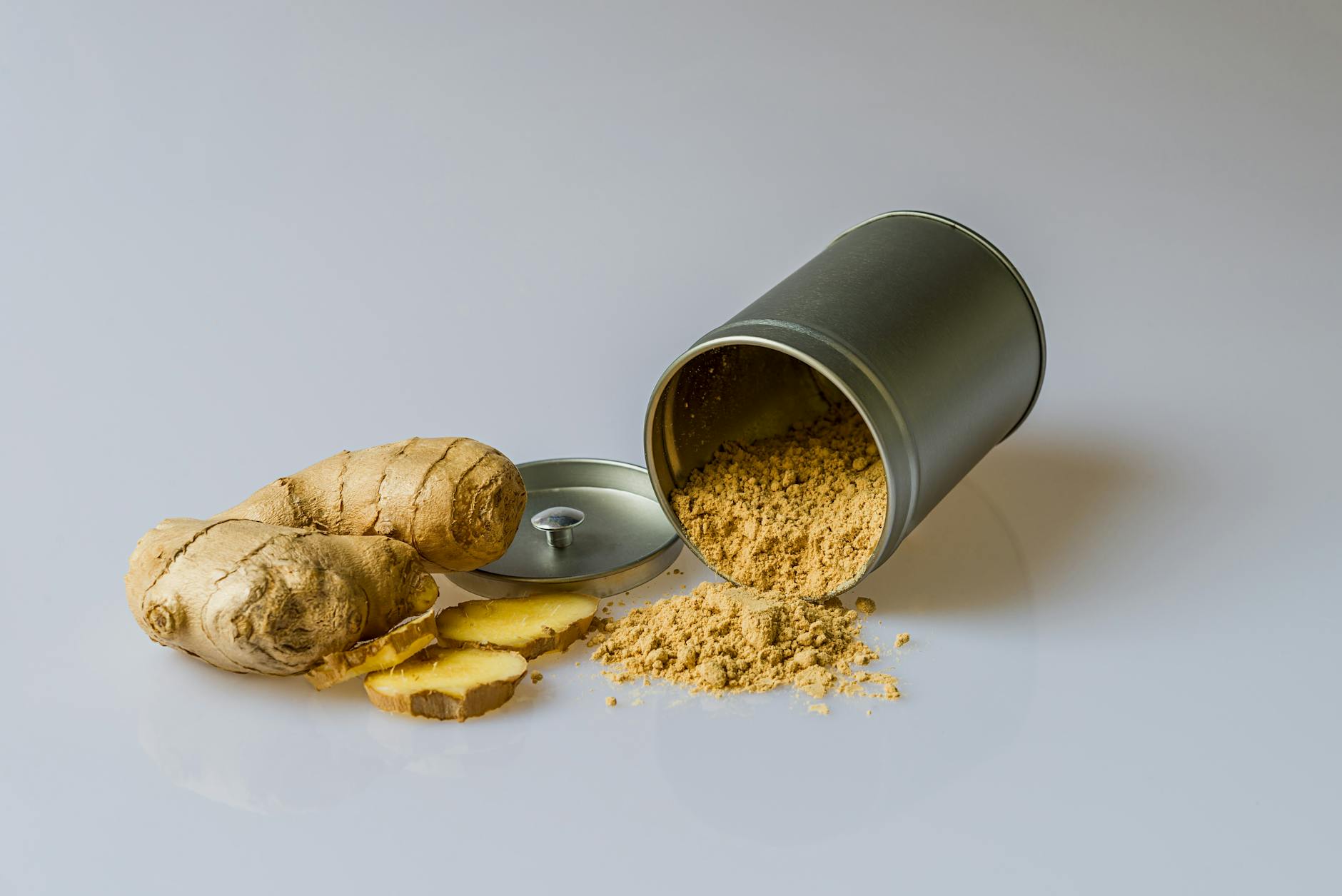
Ginger is a powerhouse rhizome as well. Anti-ulcer, anti-oxidant, anti-microbial, anti-emetic (take it to stop nausea & vomiting), anti-inflammatory, used for rheumatism. Analgesic (use to reduce pain), increase blood circulation, reduce menstrual cramps, reduces cholesterol, aids in lowering blood pressure.
Ginger can have side effects such as abdominal discomfort, heartburn, diarrhea, and mouth and throat irritation, especially if taken in large doses.
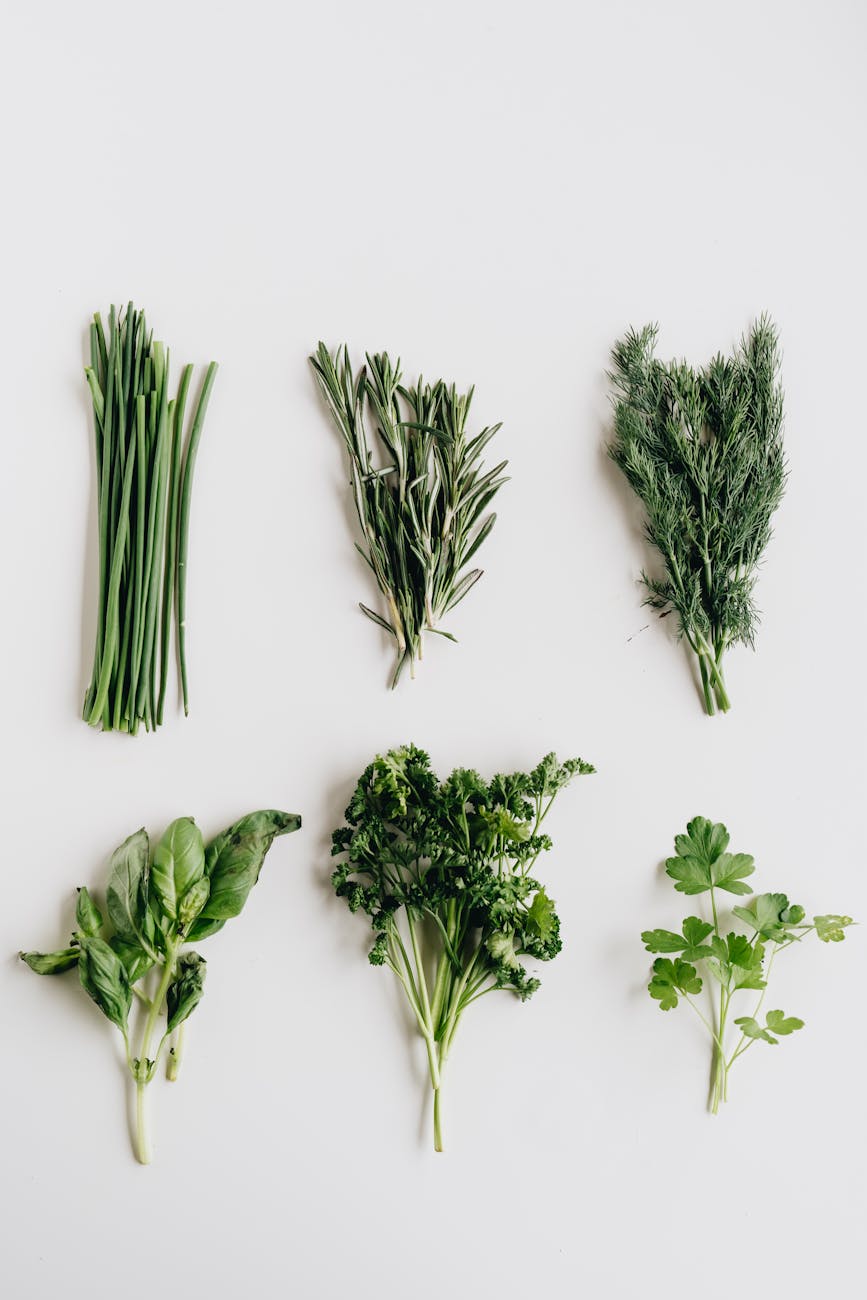
Herbs are “the mages of the living world”. I completely agree. Elderberry, oregano, rosemary, thyme, lavender, chamomile, licorice, turmeric, peppermint, sage, basil, fennel, ginseng, dandelion. Use most of them in meals or as tea. Add honey or maple syrup to sweeten and lemon.
4 Thieve’s Oil
I learned about this back in my teens or early childhood. A blend of herb oils that goes back to 17th century or earlier. So understand that there are hundreds, perhaps thousands of blends. Use what you like, what works, and what you already have around.

Recipe #1 from an aromatherapy certification course is 2 ml of each, cinnamon bark, rosemary, clove, sweet orange and eucalyptus.
Recipe #2 essential oils used Rosemary, Clove, Citrus Ginger, peppermint, and garlic.
Recipe #3 blend of clove, lemon, rosemary, eucalyptus, and cinnamon.
Medieval Recipe #4: Take three pints of strong white wine vinegar, add a handful of each of wormwood, meadowsweet, wild marjoram and sage, fifty cloves, two ounces of campanula roots, two ounces of angelica, rosemary and horehound and three large measures of camphor. Place the mixture in a container for fifteen days, strain and express then bottle. Use by rubbing it on the hands, ears and temples from time to time when approaching a plague victim
Wikipedia ~Recipe #5 Wormwood has properties similar to cedar as an insect repellent, as do aromatics such as sage, cloves, camphor, rosemary, and campanula and camphor [has] antimicrobial properties.
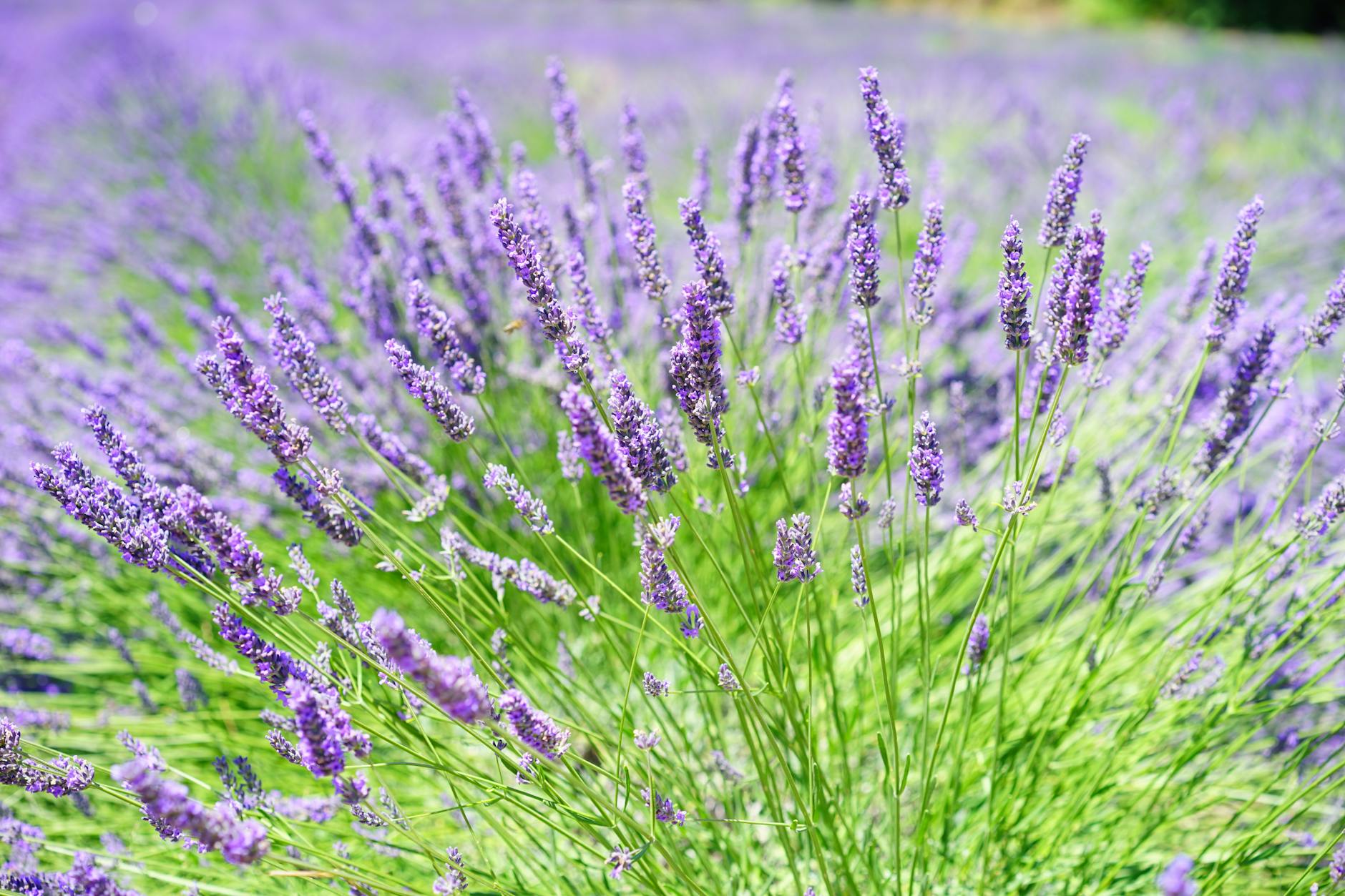
Wikipedia Recipe #6 Another recipe called for dried rosemary, dried sage flowers, dried lavender flowers, fresh rue, camphor dissolved in spirit, sliced garlic, bruised cloves, and distilled wine vinegar.
Wikipedia Recipe #7 Modern-day versions include various herbs that typically include sage, lavender, thyme, and rosemary, along with garlic. Additional herbs sometimes include rue, mint, and wormwood. It has become traditional to use four herbs in the recipe—one for each thief, though earlier recipes often have a dozen herbs or more.
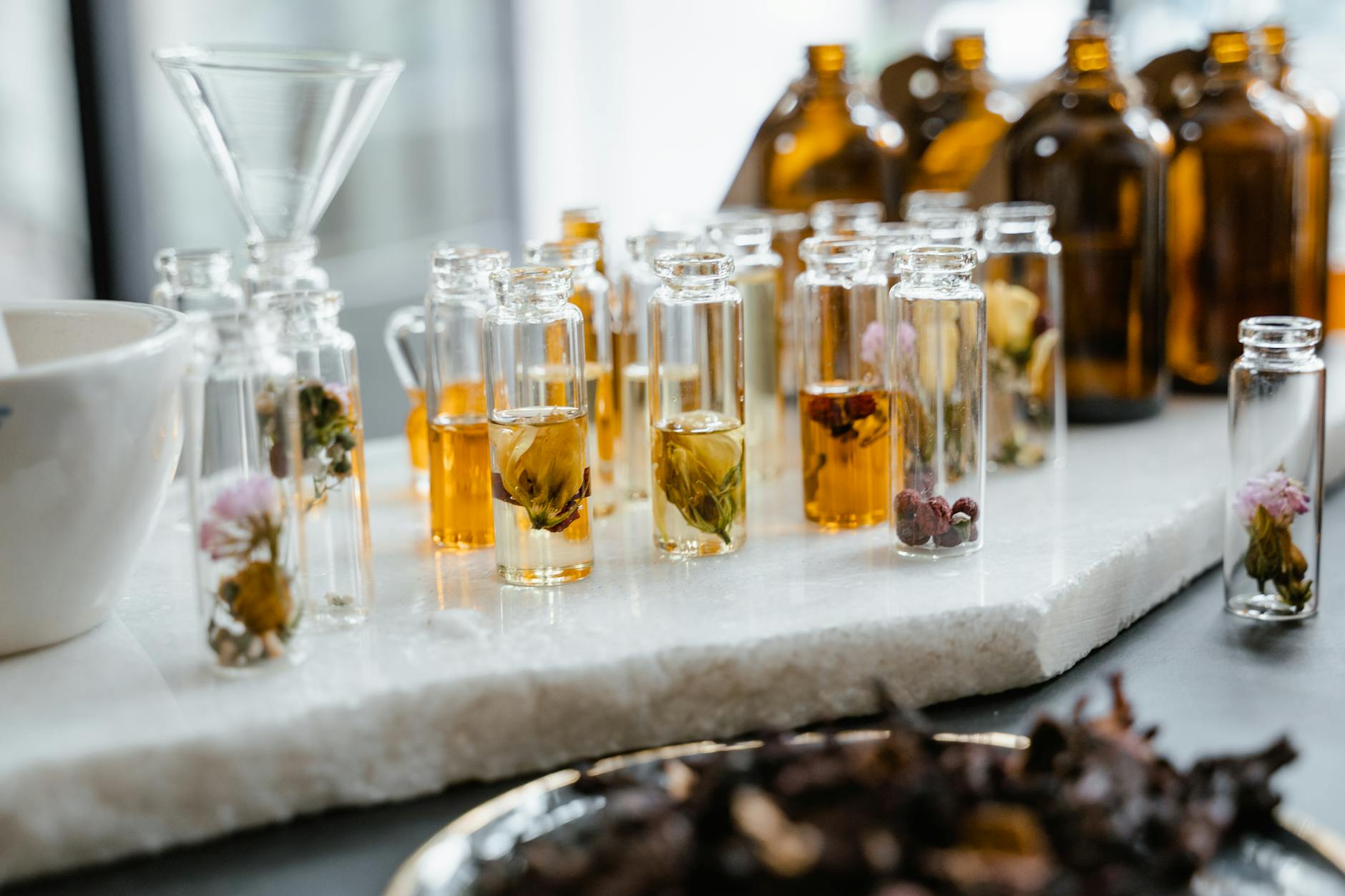
Make your own.
It’s the season for being together and celebrating each other, the end of the year, the new year and our traditions. Stay well so you can make the most of it.
And if you can, help someone else stay well or get better, faster, too. Share this article with them or surprise them with a gift basket of “Stay Healthy” goodies!
Take care out there.
Discover more from Impactful Revenue
Subscribe to get the latest posts sent to your email.
 Impactful Revenue
2 thoughts on “When You Get the -ICK”