Disclaimer
This information is for educational purposes only and not to be taken as medical advice. The majority of this information has been accumulated from other sources. Some are listed, others will be listed as they are found. Good luck on your journey!
Water
When passing a stone, upping your water intake can help speed up the process. Strive for 12 glasses of water per day instead of the usual eight.
Once the stone passes, you should continue to drink eight to 12 glasses of water each day. Dehydration is one of the main risk factors for kidney stones, and the last thing you want is for more to form.
Pay attention to the color of your urine. It should be a very light, pale yellow. Dark yellow urine is a sign of dehydration.
Source
https://drashishsaini.com/blog/tips-for-relieving-kidney-stones-pain
https://www.healthline.com/health/kidney-health/home-remedies-for-kidney-stones#water
=====>
Hydration is Key
Drinking plenty of fluids is a vital part of passing kidney stones and preventing new stones from forming. Not only does the liquid flush out toxins, it helps move stones and grit through your urinary tract.
Be sure to drink one 8-ounce glass of water immediately after drinking any flavored remedy. This can help move the ingredients through your system.
Lemon Juice
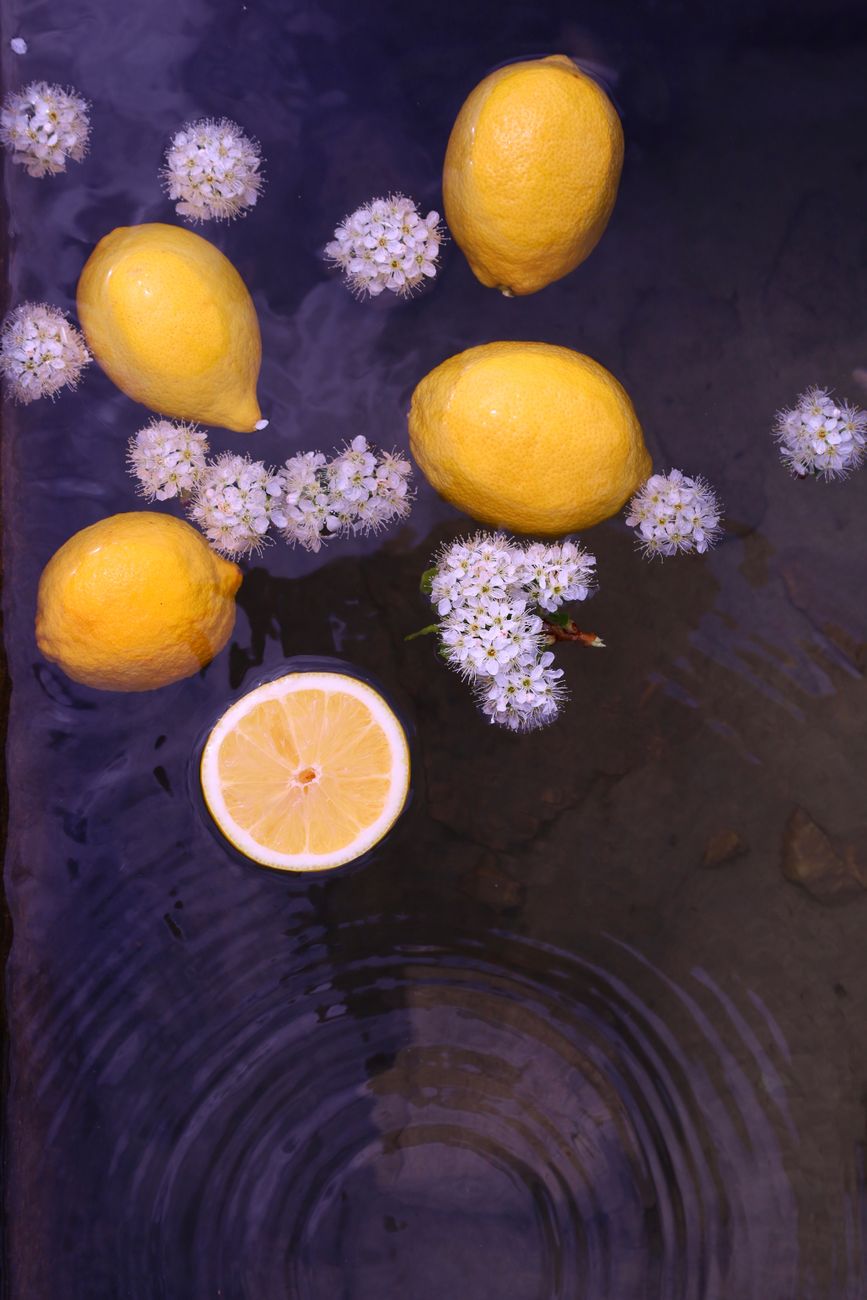
Lemons contain citrate, which is a chemical that prevents calcium stones from forming. Citrate can also break up small stones, allowing them to pass more easily.
Lemon juice has numerous other health benefits. For example, it helps inhibit bacteria growth.
Basil juice
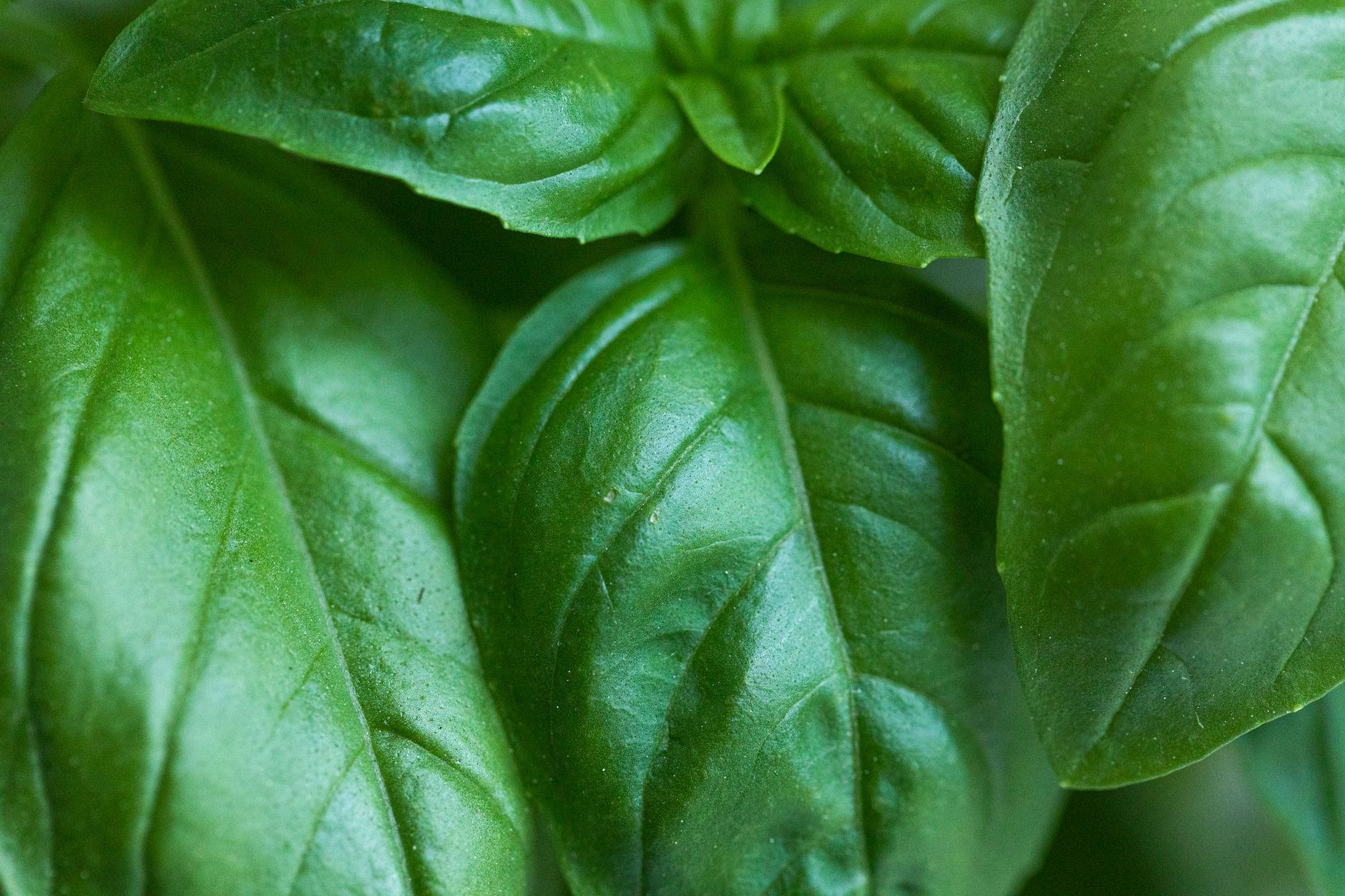
Basil contains acetic acid, which helps to break down the kidney stones and helps to reduce pain. It also lowers uric acid levels, which reduces your risk for future stones.
Use fresh or dried basil leaves to make a tea and drink several cups per day. You may also juice fresh basil or add it to a smoothie.
You shouldn’t use medicinal basil juice for more than six weeks at a time. Extended use may lead to:
- low blood sugar
- low blood pressure
- increased bleeding
Source
https://www.medicinenet.com/what_dissolves_kidney_stones_fast/article.htm
https://www.healthline.com/health/kidney-health/home-remedies-for-kidney-stones#basil-juice
Apple Cider Vinegar
Apple cider vinegar contains citric acid. Citric acid helps to dissolve kidney stones. Apple cider vinegar can help alkalize blood and urine and increase stomach acids to prevent the formation of new stones.
In addition to flushing out the kidneys, apple cider vinegar can help ease pain caused by the stones.
To reap these benefits, choose Raw Apple Cider Vinegar with “the Mother”.
Add 2 tablespoons of apple cider vinegar to 6–8 ounces of purified water. Drink this mixture throughout the day.
You shouldn’t consume more than one 8-ounce glass of this mixture per day. If ingested in larger amounts, apple cider vinegar can lead to low levels of potassium and osteoporosis.
People with diabetes should exercise caution when drinking this mixture. Monitor your blood sugar levels carefully throughout the day.
You shouldn’t drink this mixture if you’re taking:
- insulin
- digoxin (Digox)
- diuretics, such as spironolactone (Aldactone)
Source
https://www.healthline.com/health/kidney-health/home-remedies-for-kidney-stones#apple-cider-vinegar
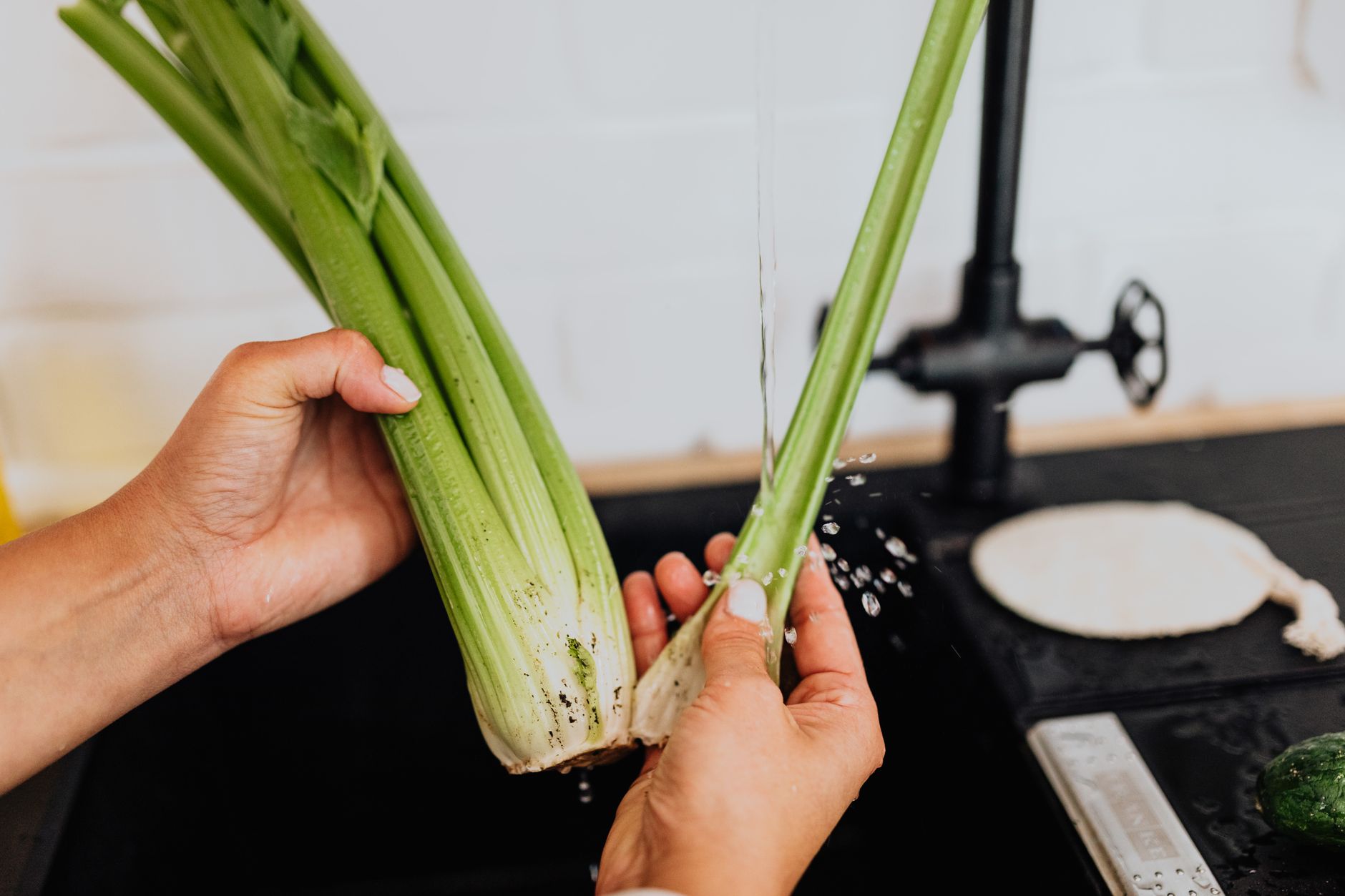
Celery juice
Celery juice clears away toxins that contribute to kidney stone formation. It also helps flush out the body so you can pass the stone.
Blend one or more celery stalks with water, and drink the juice throughout the day.
You shouldn’t drink this mixture if you have:
- any bleeding disorder
- low blood pressure
- a scheduled surgery
You also shouldn’t drink this mixture if you’re taking:
- levothyroxine (Synthroid)
- lithium (Lithane)
- medications that increase sun sensitivity, such as isotretinoin (Sotret)
- sedative medications, such as alprazolam (Xanax)
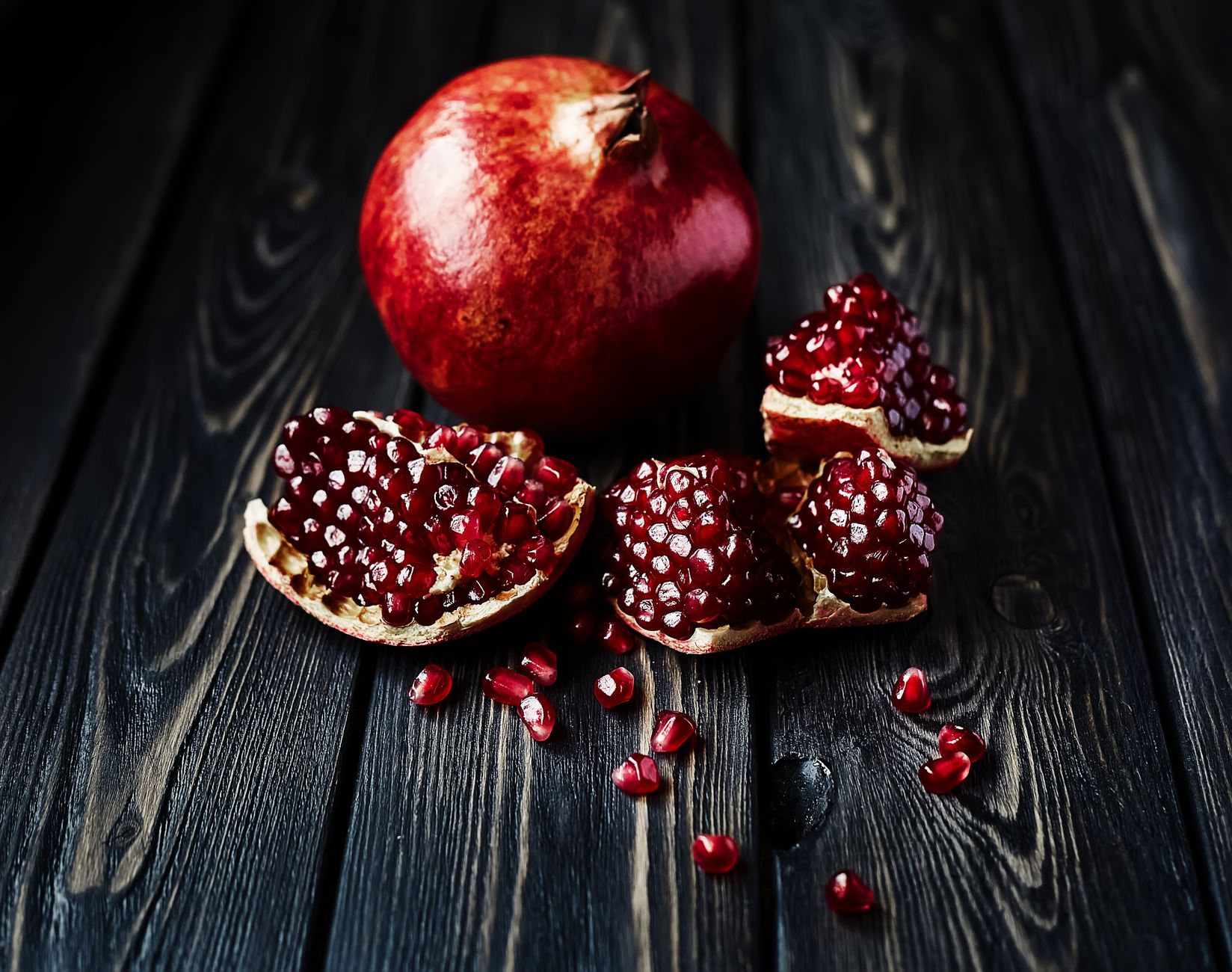
Pomegranate juice
Pomegranate juice can help improve overall kidney function, as well as flush stones and other toxins from your system.
It also lowers your urine’s acidity level. Lower acidity levels reduce your risk for future kidney stones.
There’s no limit to how much pomegranate juice you can drink throughout the day.
You shouldn’t drink pomegranate juice if you’re taking:
- medications changed by the liver
- blood pressure medications, such as chlorothiazide (Diuril)
- rosuvastatin (Crestor)
Kidney bean broth
The broth from cooked kidney beans helps improve overall urinary and kidney health. It also helps dissolve and flush out the stones. Simply strain the liquid from cooked beans and drink a few glasses throughout the day.
Other natural remedies
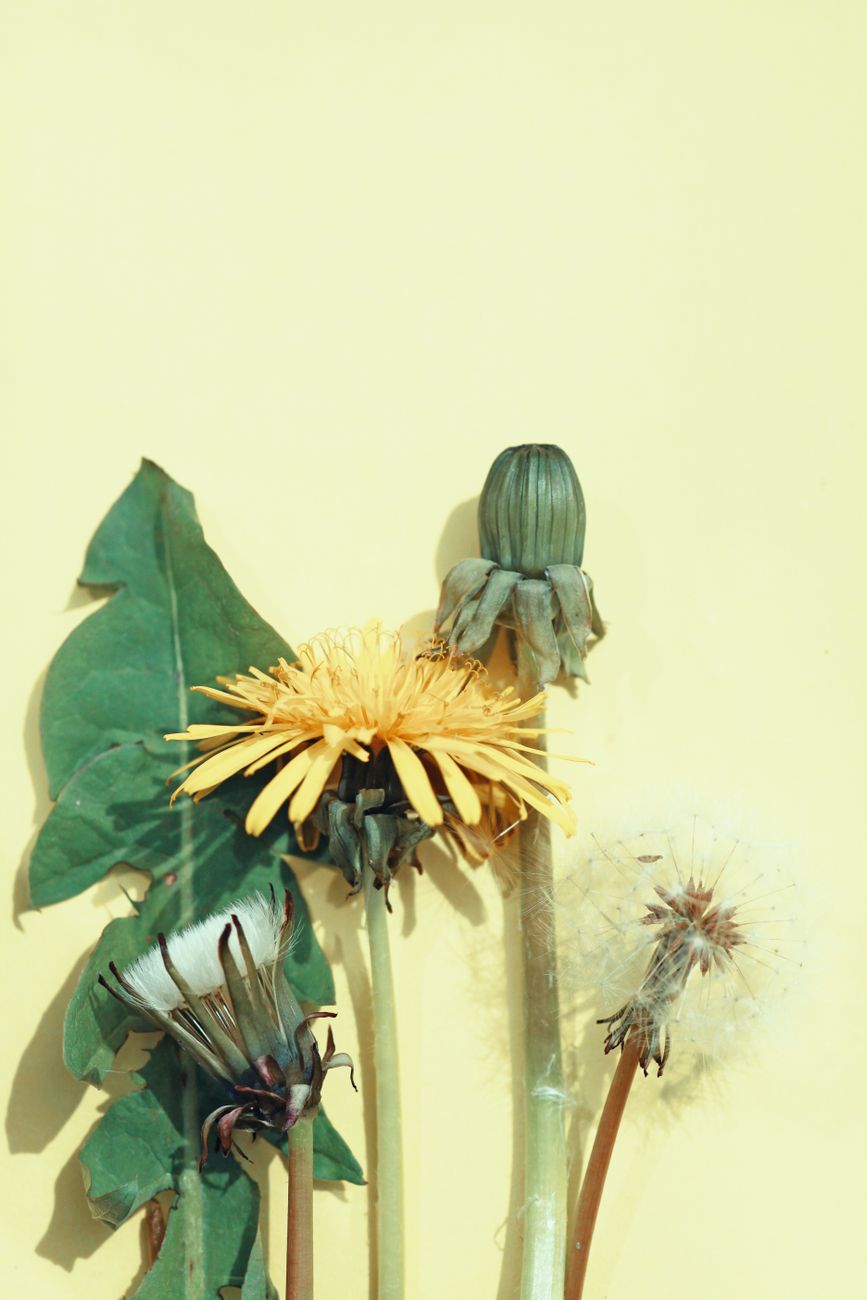
Dandelion root juice
Dandelion root is a kidney tonic that stimulates the production of bile. This helps to eliminate waste, increase urine output, and improve digestion. Dandelions have vitamins (A, B, C, D) and minerals such as potassium, iron, and zinc.
You can make fresh dandelion juice or buy it as a tea. If you make it fresh, you may also add orange peel, ginger, and apple to taste. Drink 3–4 cups throughout the day.
Some people experience heartburn when they eat dandelion or its parts.
You shouldn’t drink this mixture if you’re taking:
- blood thinners
- antacids
- antibiotics
- lithium (Lithane)
- diuretics, such as spironolactone (Aldactone)
If you are taking medications, talk to your doctor before taking dandelion root extract as it can interact with many medications.
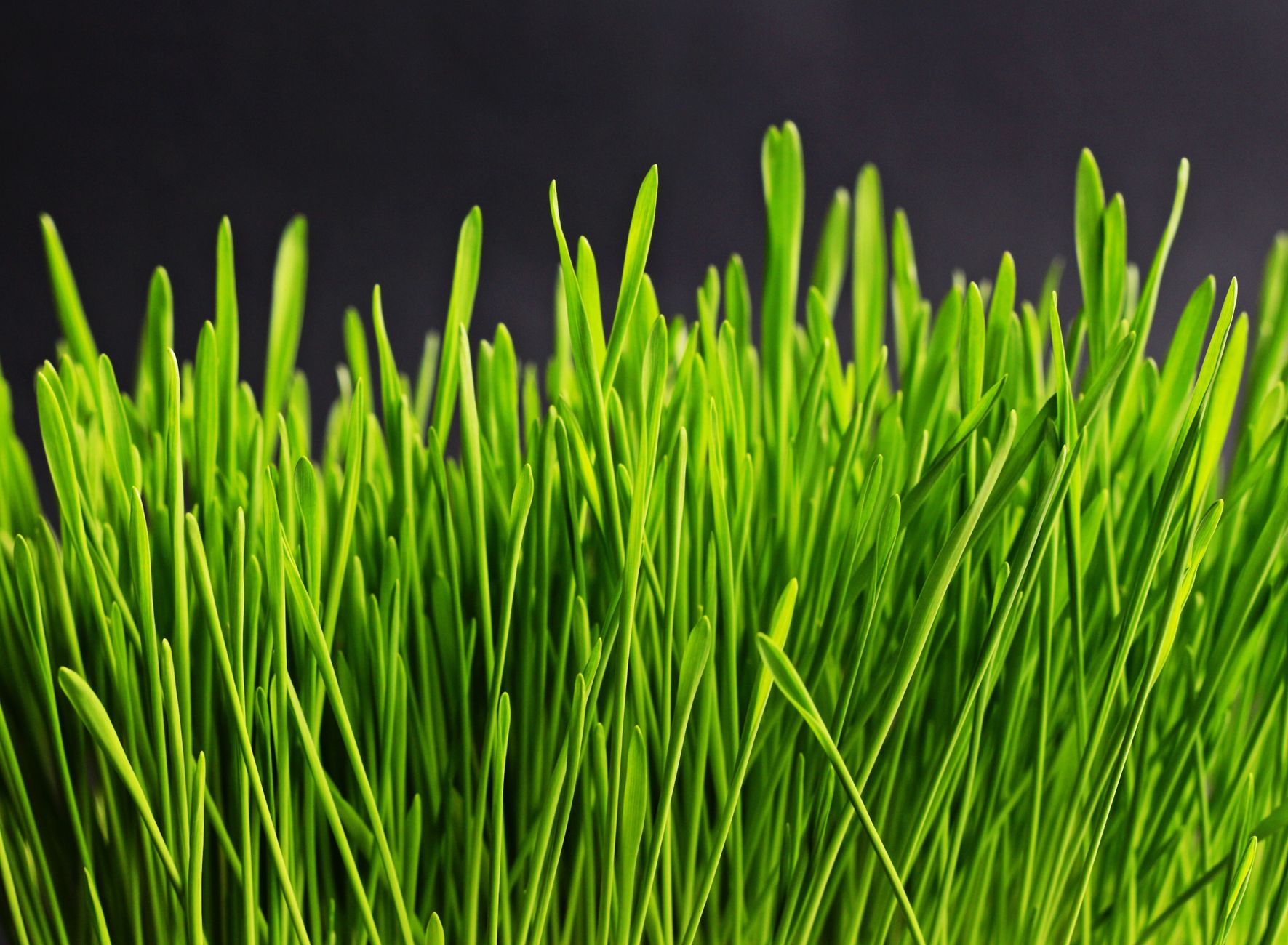
Wheatgrass juice
Wheatgrass is packed with many nutrients and has long been used to enhance health. Wheatgrass increases urine flow to help pass the stones. It also contains vital nutrients that help cleanse the kidneys.
You can drink 2–8 ounces per day. To prevent side effects, start with the smallest amount possible and gradually work your way up to 8 ounces.
If fresh wheatgrass juice isn’t available, you can take powdered wheatgrass supplements as directed.
Taking wheatgrass on an empty stomach can reduce your risk for nausea. In some cases, it may cause appetite loss and constipation.
Horsetail juice
Horsetail increases urine flow to help to flush out kidney stones and can soothe swelling and inflammation. It also has antibacterial and antioxidant properties that aid in overall urinary health.
However, the Cleveland Clinic warns against its use. You shouldn’t use horsetail for more than six weeks at a time. There are dangers of seizures, low B vitamins, and loss of potassium.
You shouldn’t use horsetail if you take
- lithium (Lithane)
- diuretics
- heart medications such as digoxin.
Horsetail is not recommended for children and pregnant or breastfeeding women. Horsetail contains nicotine and should not be taken if you are using a nicotine patch or trying to quit smoking.
You also shouldn’t drink this mixture if you have:
- alcoholism
- diabetes
- low potassium levels
- low thiamine levels
See your doctor if…
You’re unable to pass your stone within six weeks, or if you begin experiencing severe symptoms that include:
- severe pain
- blood in your urine
- fever
- chills
- nausea
- vomiting
Your doctor will determine whether you need medication or any other therapy to help you pass the stone.
Takeaway
take over-the-counter pain relievers to lessen any pain you may be experiencing
continue treatment until the stone passes. Do not drink alcohol. Once you pass a kidney stone, you may save it to take to your doctor for testing. To save the stone you will need to strain your urine. They can determine what kind of stone it is and help develop a targeted prevention plan.
Hydration is key
Drinking plenty of fluids is a vital part of passing kidney stones and preventing new stones from forming. Not only does the liquid flush out toxins, it helps move stones and grit through your urinary tract.
Be sure to drink one 8-ounce glass of water immediately after drinking any flavored remedy. This can help move the ingredients through your system.
Oxalates & Kidney Stones
Oxalates form salts in the body by combining with calcium, after we consume foods that have a high oxalate content. When our body can’t process the calcium-oxalate compounds, they crystallize and lodge in our organs, causing inflammation, which can turn into painful kidney stones and lead to other inflammatory symptoms of oxalate buildup in the body, such as joint pain, pain with urination/bowel movements, and even inflammation of the thyroid gland.
The top common foods with the highest oxalate content per serving include: rhubarb, rice bran, buckwheat, almonds, miso soup, wheat berries, corn, potatoes, navy beans, beets, cocoa powder, and raspberries.
ACV 3x/day to disrupt calcium deposits (ca-oxalte)
• Joint pain
• Pain in the body
• Burning with urination
• Interstitial cystitis
• Burning with bowel movements
• Leaky gut
• Depression
• Kidney stones
any issues that affect the small intestine such as small intestinal bacterial overgrowth (SIBO) or small intestinal fungal overgrowth (SIFO), other kinds of gut dysbiosis (which can result from past antibiotic use), gastric surgery, Crohn’s disease, and short bowel syndrome.
People with a low intake of calcium
calcium in our foods can reduce our absorption of oxalates.
overgrowth anywhere in the body, can be a root cause of oxalate buildup, as certain kinds of fungi, such as Candida or Aspergillus, produce oxalates in a process called biomineralization. When there is an overgrowth of yeast or fungus, the excess amounts of oxalates that are emitted can lead to oxalate buildup and contribute to the symptoms mentioned above.
recommend taking the Organic Acids Test (OAT) from Great Plains Labs, which can be ordered through your functional practitioner. Alternatively, you can also get the Organix Dysbiosis Marker Test Kit from Genova, which can be self-ordered. Not only do these tests help uncover oxalates issues, they can also provide further guidance on potential root causes of oxalate issues, such as yeast, mold and even some markers that may suggest SIBO (although the OAT doesn’t test for SIBO specifically).
buildup but no kidney stones have formed yet, a prescription dose of vitamin B6 or potassium citrate is usually recommended. Thiazide diuretics are also recommended to help flush oxalates out of the kidneys. These prescription medications/vitamins can be especially helpful in the case of secondary hyperoxaluria.
The conventional approach also recommends dietary changes such as increasing water intake to flush out oxalates, as well as focusing on low oxalate foods.
If there is an excess amount of oxalates that have started to form kidney stones, there are two options. The first and least invasive option is to increase fluid intake to help the stones pass on their own. However, in some cases, a corrective procedure may be needed, so the second option consists of more invasive procedures, such as:
• Shockwave lithotripsy, in which shock waves are sent through water to break the stones apart in the affected area.
• Ureteroscopy, in which a ureteroscope is inserted through the urethra to the ureter, to either break the stones apart, or retrieve and remove them.
• Percutaneous nephrolithotomy, which is used as a last resort if the options above do not work. During this procedure, an incision is made in the back to access the kidneys directly and suction out the stones.
Low Oxalate Diet
It may be helpful to start with taking an inventory of your actual oxalate intake. The average diet contains 250 mg of oxalates per day,
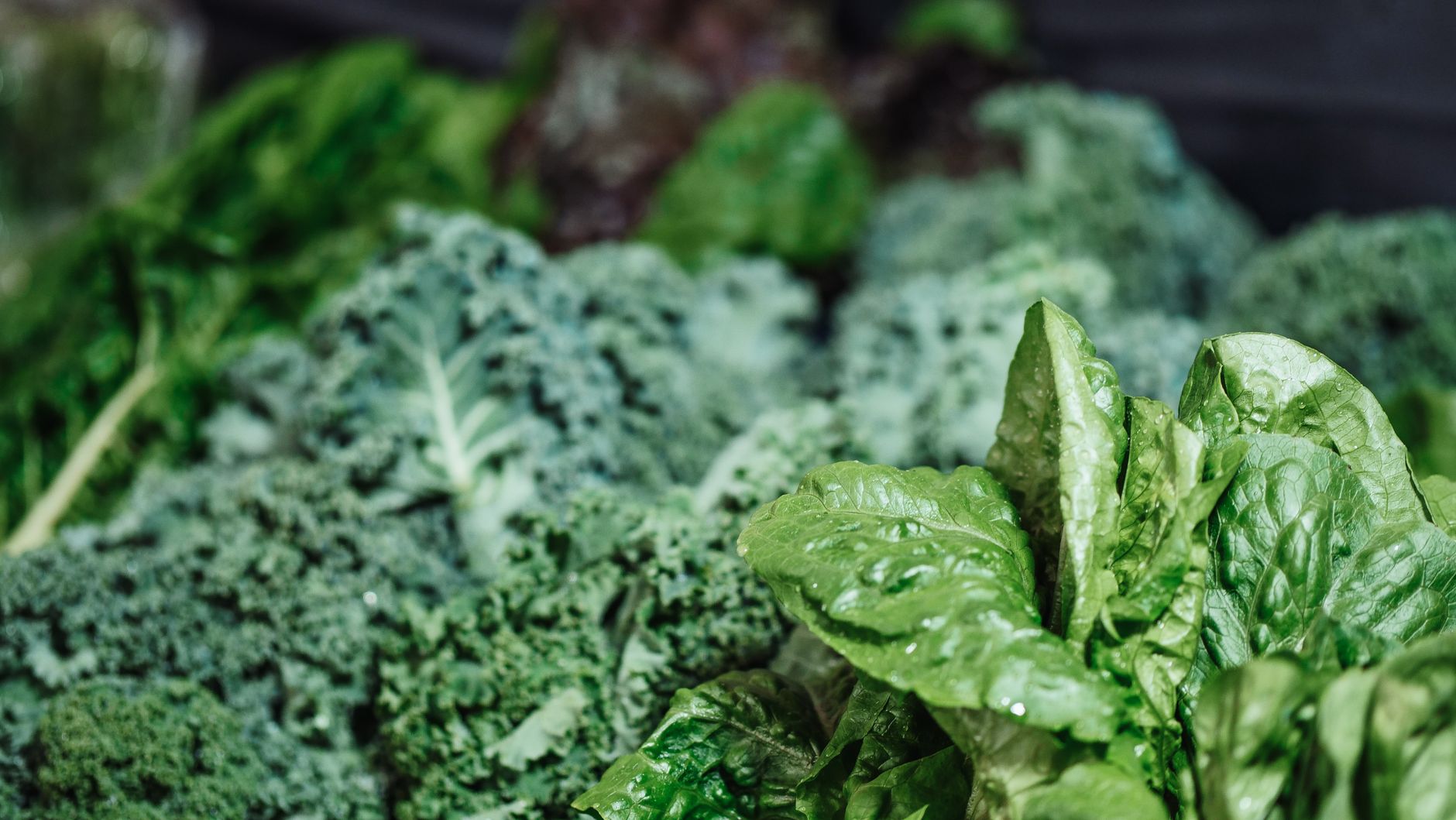
highest oxalate content per serving (around 50 mg/serving or higher) include:
• Dark leafy greens: spinach, kale, chard
• Root vegetables: white/sweet potatoes, parsnips, beets, rutabaga
• Other vegetables: carrots, celery, green peppers, Brussel sprouts
• Fruit: oranges, avocados, kiwi, tomatoes, raspberries
• Dried fruit: figs, dates
• Nuts/seeds: almonds, walnuts, cashews, pumpkin, tahini
• Grains: brown rice, buckwheat, wheat
• Beverages: carrot juice, tomato juice, rice milk
• Soy products
• Legumes: navy beans, fava beans, lentils, refried beans, red kidney beans
• Other: cocoa powder, stevia
oxalate content above 50 mg per serving, include: baked potatoes, beets, cocoa powder, and okra. Raspberries come in close, at 48 mg per serving!
There are also some foods that have an ultra high oxalate content. However, we use them sparingly (like black pepper). These foods are usually not as much of a concern unless you are using more than 1 tsp at a time (that’s a lot of pepper!).
Foods with moderate levels of oxalates (i.e. ranging between those found in high and low oxalate foods) include:
• Fruits: apples, apricots, berries (except raspberries), peaches, grapefruit, plums
• Grains: white rice
• Nuts/seeds: sunflower seeds, pecans
Foods with low oxalate levels (less than 50 mg/serving) include:
• Meats
• Dairy: all dairy products (although dairy is not recommended for those with Hashimoto’s)
• Fruits: melons, mangoes, grapes, coconut
• Vegetables: broccoli, cauliflower, cabbage, lettuce, mushrooms, onions, red peppers, cucumbers
• Condiments: mustard, vinegar, mayonnaise
• Sweeteners: honey, maple syrup
• Beverages: herbal teas, apple juice, water, cider
As mentioned above, a standard diet takes in about 250 mg of oxalates per day. However, some people may choose to eat a low oxalate diet to prevent oxalate buildup. Consuming under 100 mg is recommended, but under 50 mg is ideal, unless your doctor suggests otherwise (more on that further on in this article!).
• Drinking plenty of fluids, mainly water, as this will help prevent kidney stones. Water will help dilute the substances found in urine, and therefore help prevent stones.
• Adding a few slices of lemon to your water will not only flavor it, but will also help stop the formation of stones. This is because lemons contain citrate, which prevents oxalate buildup by binding to calcium.
• Reducing your intake of processed foods. Processed foods have high amounts of sodium, and when we consume too much sodium, the kidneys begin to excrete excess calcium from the urine; the calcium then combines with oxalates and stones form.
• Avoiding excess protein. Excess protein can contribute to kidney stone formation by creating more uric acid in the body and lowering the levels of citrate in the blood (which, as mentioned above, can help bind calcium and prevent oxalate buildup).
Discover more from Impactful Revenue
Subscribe to get the latest posts sent to your email.

